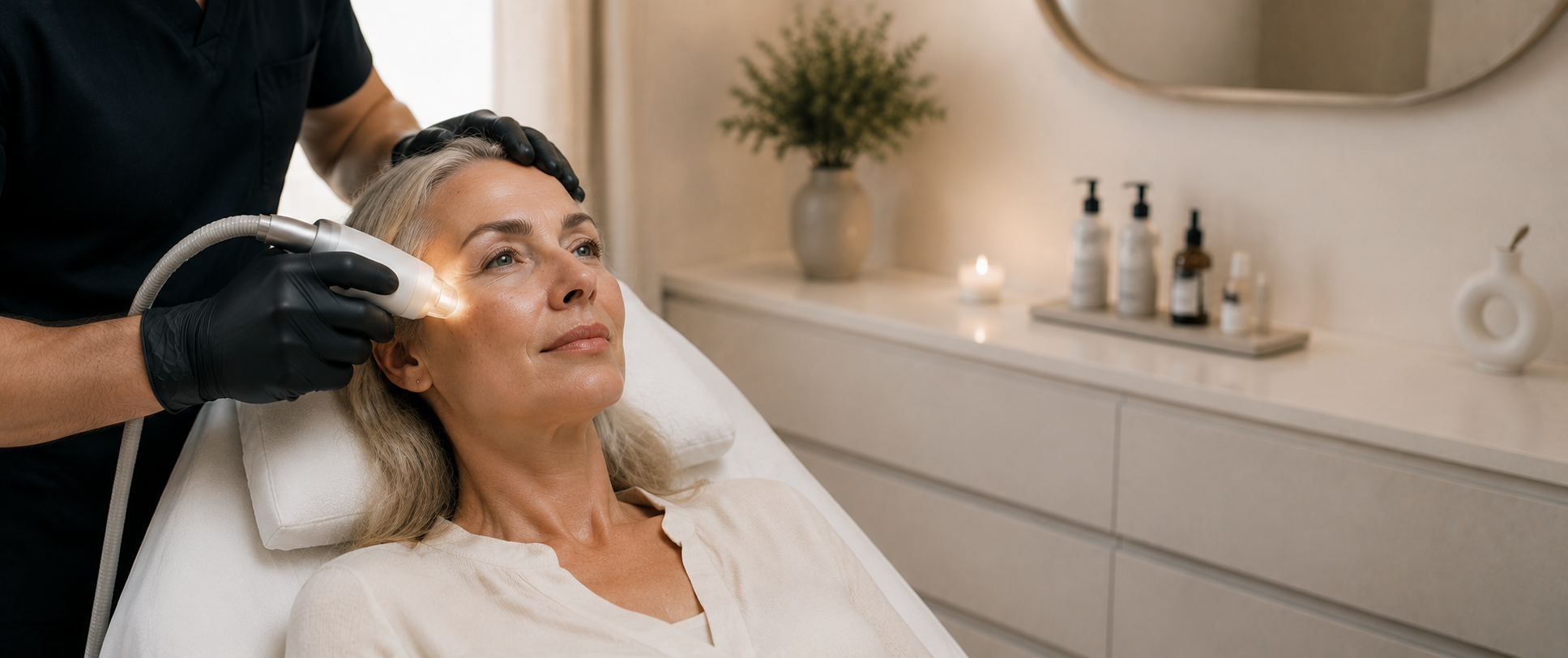
Sunspots, also known as solar lentigines or age spots, are flat, dark patches that develop on sun-exposed areas of the skin over time. They are caused by cumulative UV exposure and tend to become more noticeable with age.
Unlike freckles, sunspots are usually more persistent and do not fade on their own.
Treatments such as laser therapy and chemical peels can effectively reduce their appearance and restore a more even skin tone.

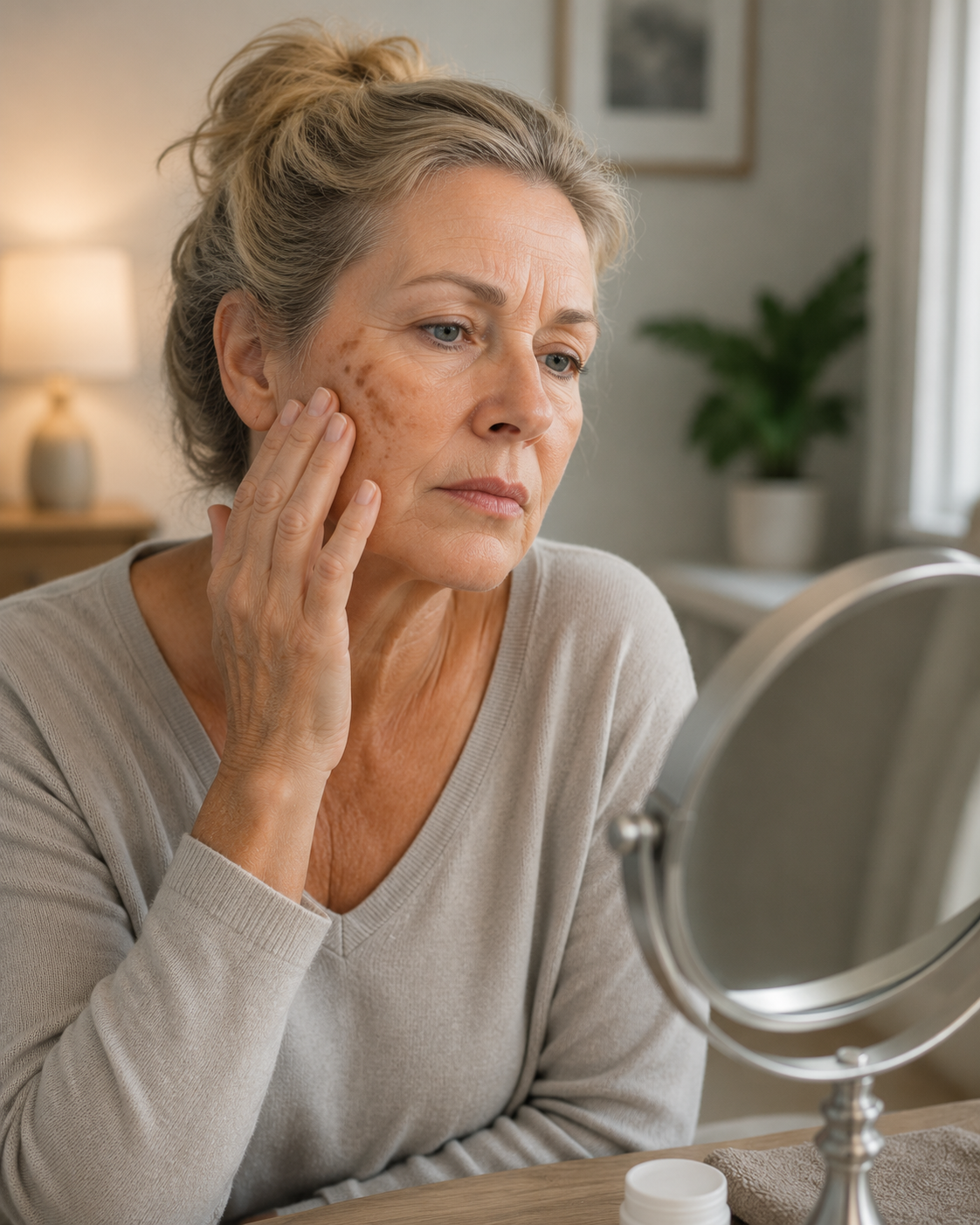
Sunspots, also called solar lentigines or age spots, are flat brown patches caused by years of cumulative sun exposure. They usually appear on the face, hands, shoulders and chest, and become more common from our 40s onwards, especially in people who tan easily or have spent time in strong sun.
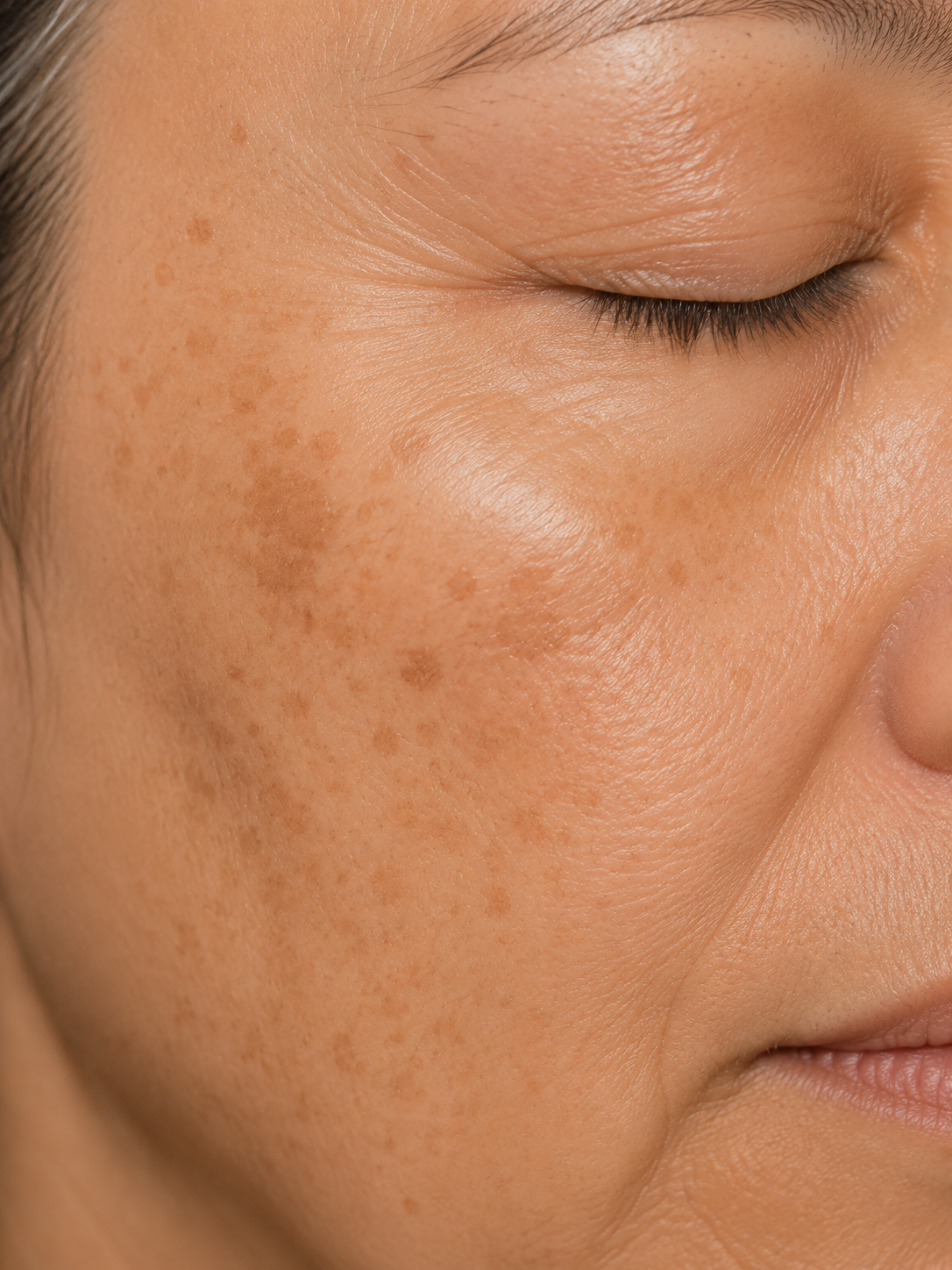
Dark spots caused by long-term sun exposure
Uneven skin tone and patchy pigmentation
Age-related pigmentation on the face and hands
Face
Hands
Décolletage
Shoulders and arms
Sunspot treatments are targeted, aiming to break down excess pigmentation while preserving surrounding skin.
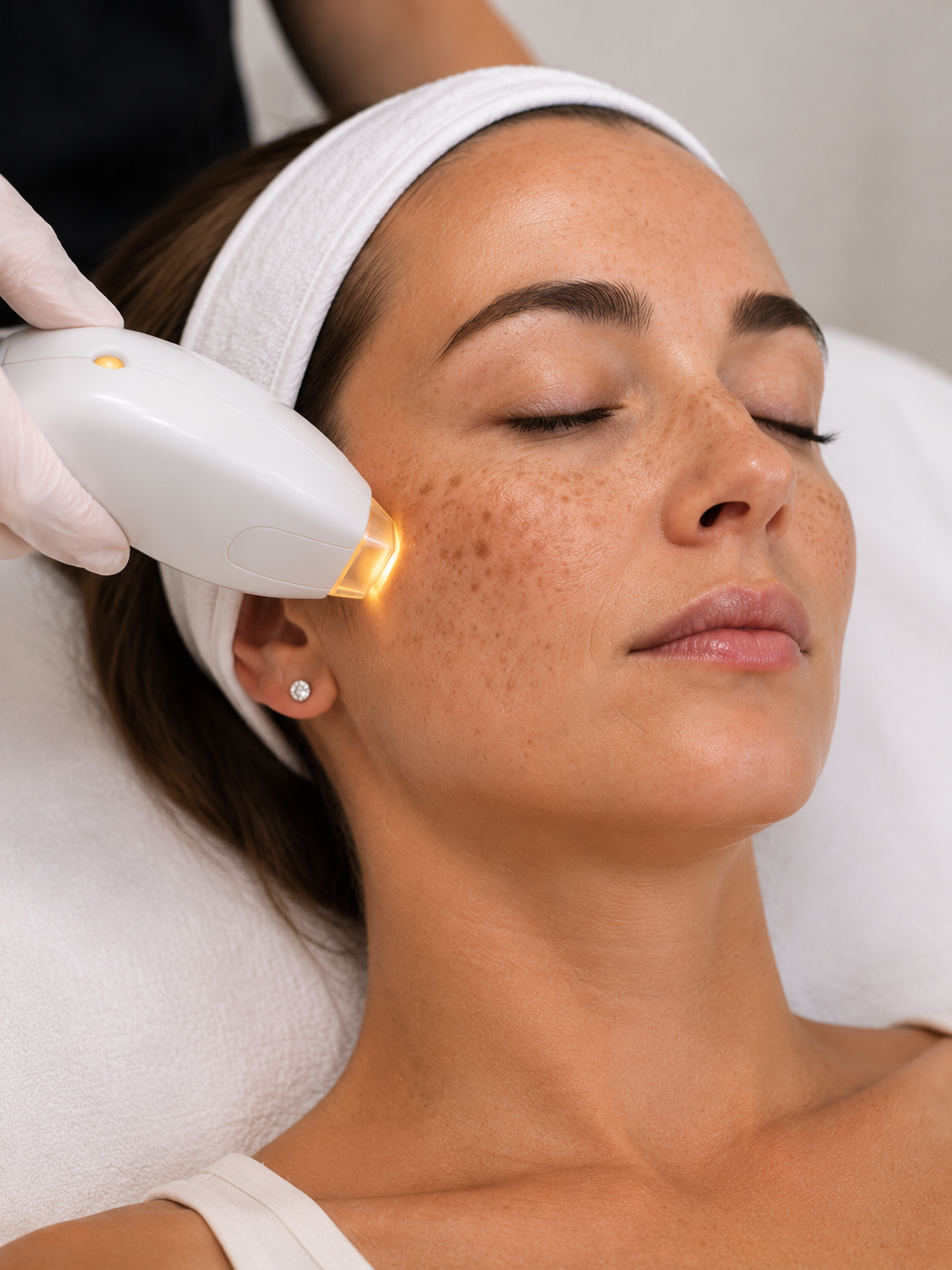
The most appropriate treatment depends on the depth and number of lesions, with laser therapy often providing the most precise results.
Step 1: Assessment
Dr. Kravvas will assess your pigmentation to confirm the diagnosis and determine the most suitable treatment approach.
Step 2: Treatment
Laser or chemical peel treatments are used to target the pigmented areas. Sessions are typically quick and well tolerated.
Step 3: Aftercare & Results
Treated spots may darken temporarily before flaking off or fading. Mild redness or sensitivity may occur for a few days.
Visible improvement is often seen after one session, though multiple treatments may be recommended.
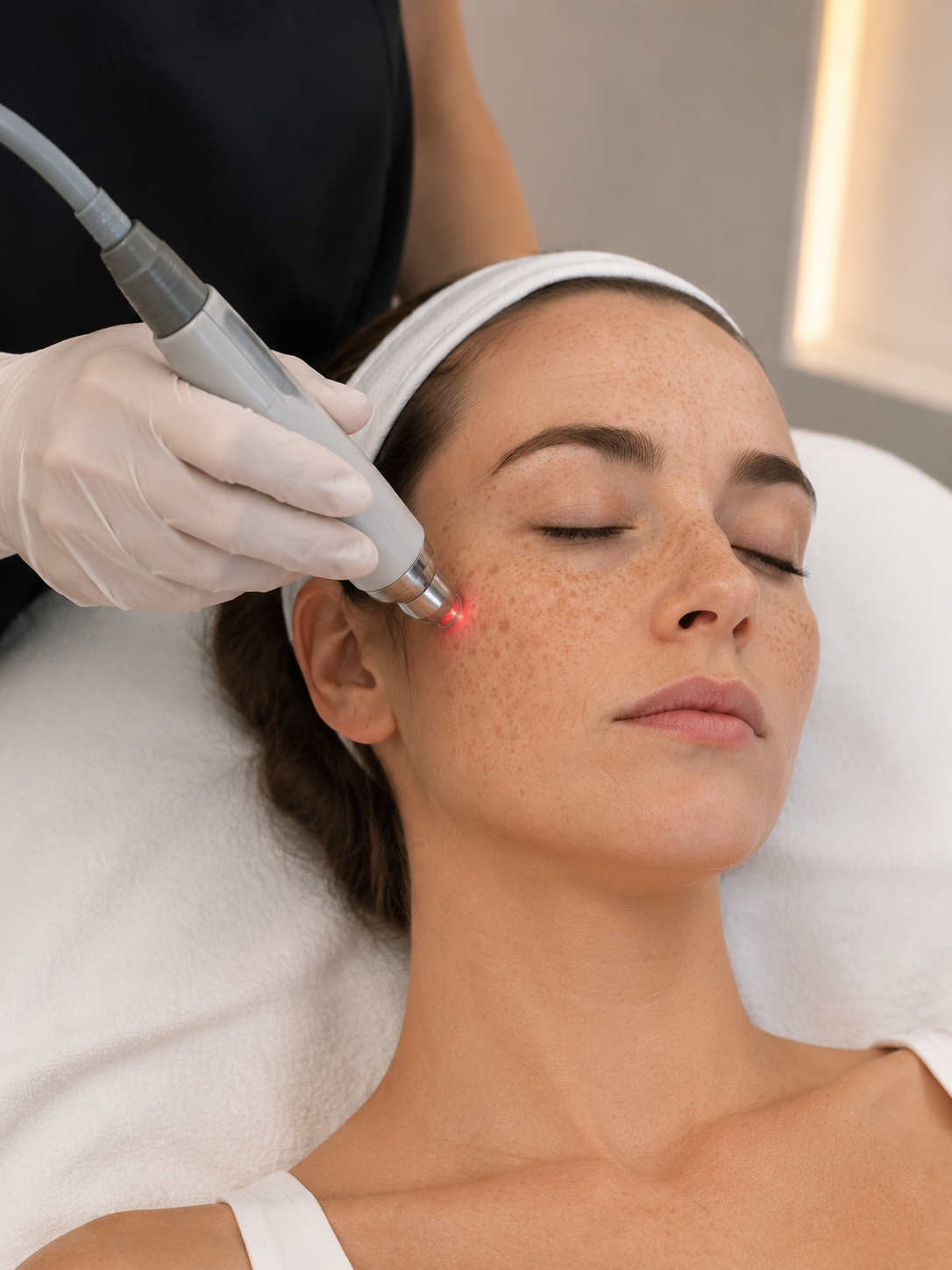
Dr. Kravvas offers a range of medical-grade treatments to fade sunspots and restore a more even skin tone, chosen according to your skin type and the number and depth of your spots.
Pigment-targeting laser treatment
Intense pulsed light (IPL)
Medical-grade chemical peels
Prescription creams and daily sun protection
Pigment-targeting lasers and intense pulsed light (IPL) break up the concentrated melanin in sunspots so the body can gradually clear it. Most sunspots respond well within one to three sessions.
Medical-grade peels and prescription creams can lighten sunspots more gradually, improve overall sun damage and help maintain results.
Dr. Kravvas will recommend the most appropriate approach for your skin type and the pattern of your sun damage.
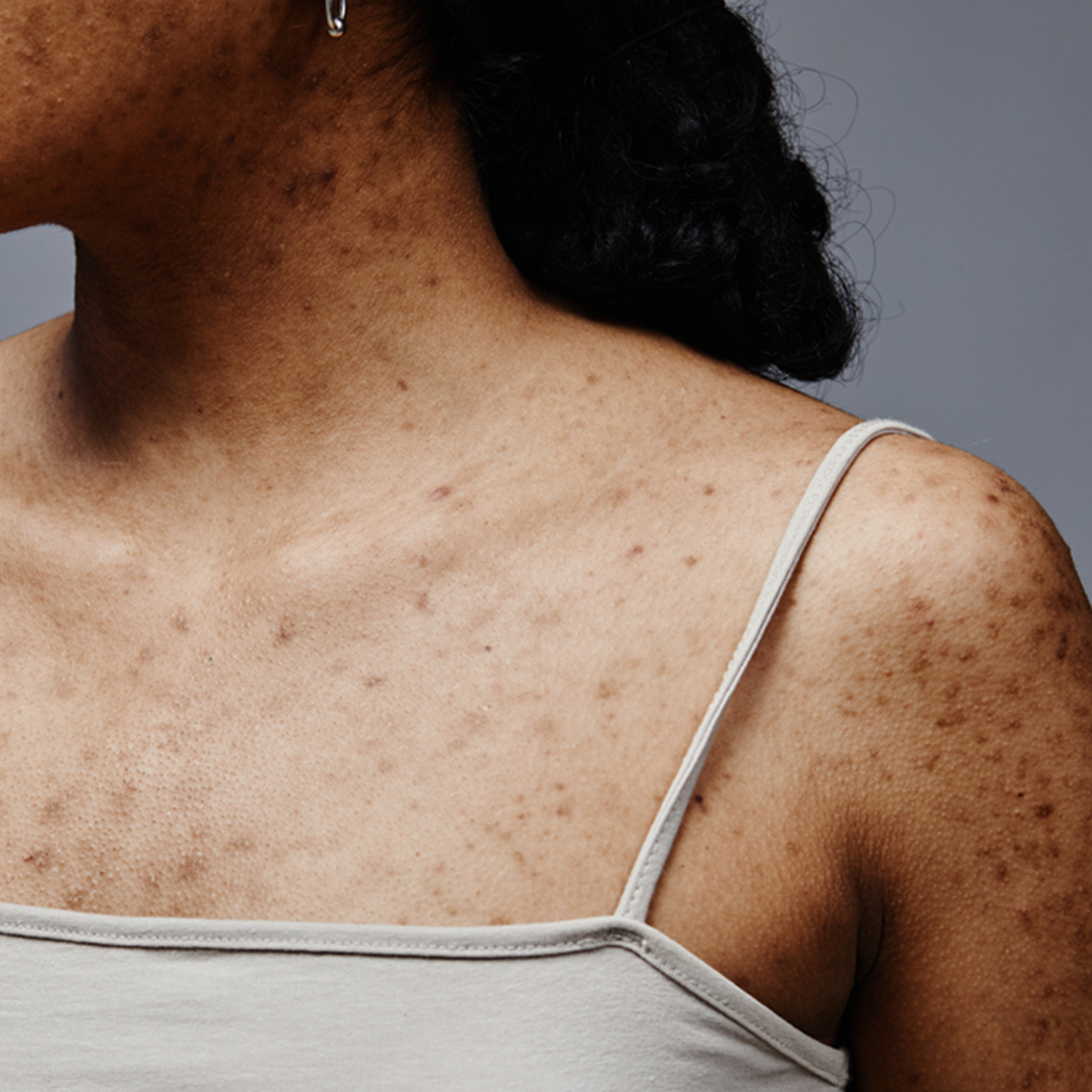
Not every brown mark is a harmless sunspot, so every plan starts with a dermatological examination to rule out anything that needs further investigation. Dr. Kravvas then combines in-clinic treatment with a tailored skincare and sun-protection routine, to clear existing spots and help prevent new ones.
Little preparation is needed, but following expert guidance helps you get the best and longest-lasting results.
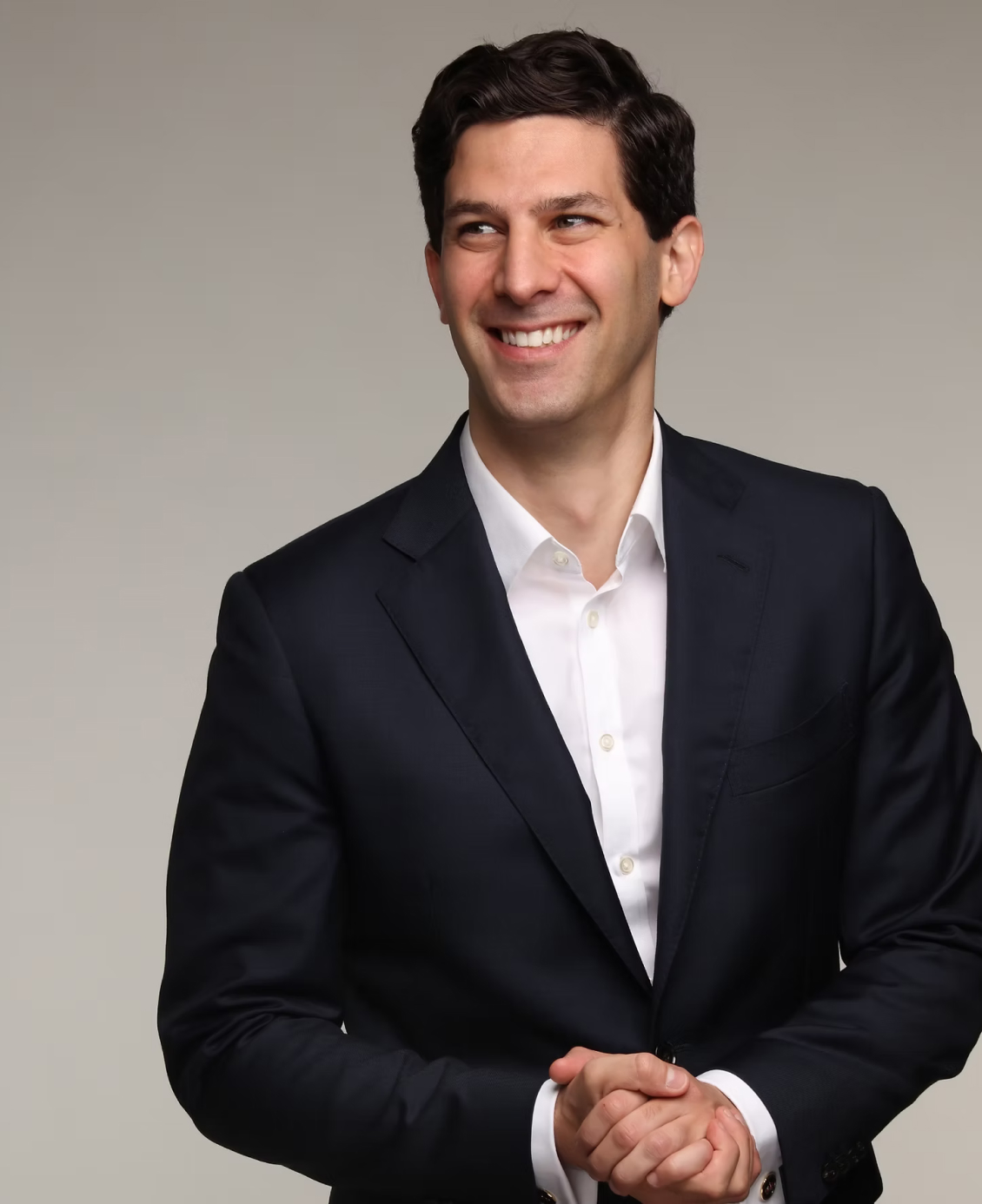
Dr. George Kravvas is a consultant dermatologist and published academic. Because some skin cancers can look like sunspots, every treatment begins with an expert examination, so you can be confident that each mark is safe to treat.
Whether you want to clear a few age spots or even out years of sun damage, Dr. Kravvas will provide clarity, confidence and a plan tailored to you.
They can be effectively removed or significantly reduced, but new sunspots may develop with continued UV exposure. Ongoing sun protection is essential.
Some sunspots respond after a single session, while others may require a short course of treatments depending on their depth and number.
Most patients experience mild discomfort, often described as a quick snapping or warming sensation during treatment.
Treated spots usually do not return, but new ones can form over time with sun exposure.
Treatment can be adapted for different skin types, but careful selection is important to minimise the risk of pigmentation changes.