
Your skin changes over time, and while most moles are harmless, some can develop features that require closer assessment. Regular mole mapping allows suspicious changes to be identified early, providing reassurance and supporting the early detection of skin cancer.
Dr. George Kravvas is a Harley Street consultant dermatologist offering comprehensive digital mole mapping in London. Using advanced imaging technology and expert clinical assessment, he monitors your moles over time and creates a personalised surveillance plan based on your individual risk factors.
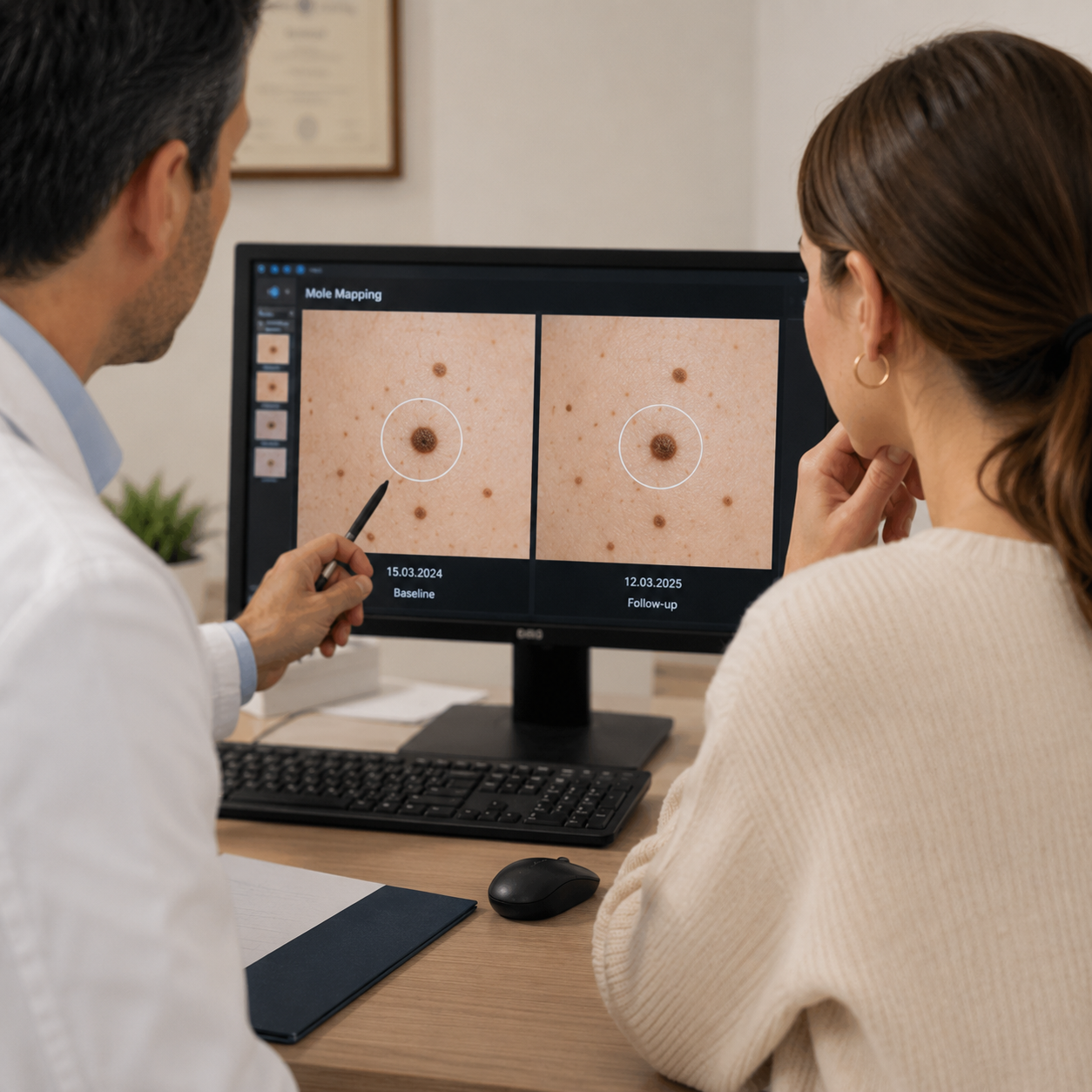
Mole mapping is a specialist skin surveillance technique that records high-quality images of your moles and compares them over time. Rather than relying on memory alone, digital photographs allow even subtle changes in size, colour or shape to be detected during future appointments.
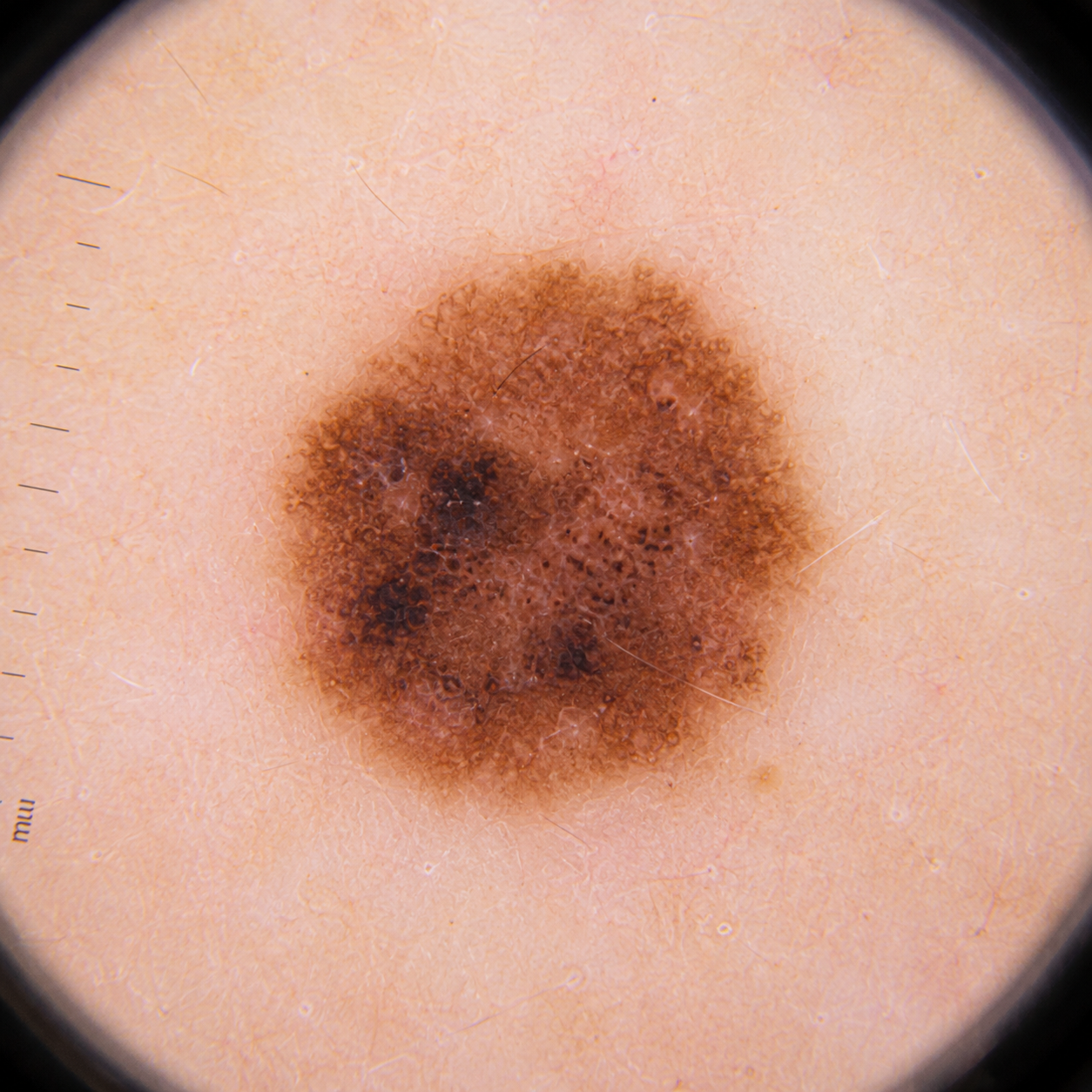
High-resolution photography of individual moles
Whole-body imaging where appropriate
Digital comparison between appointments
Early identification of suspicious changes
Long-term monitoring by a consultant dermatologist
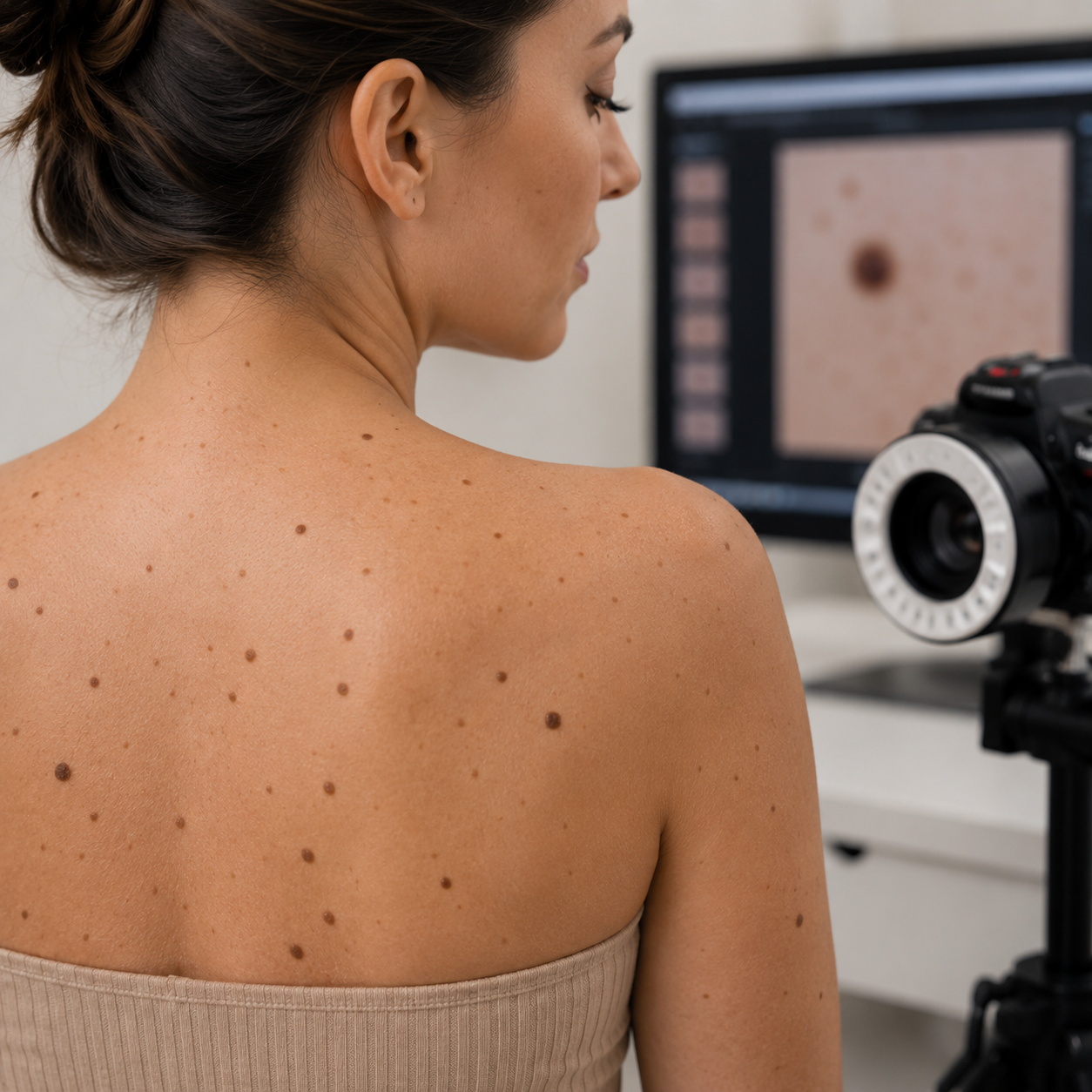
A large number of moles
Atypical or irregular-looking moles
Personal or family history of melanoma
Fair skin or significant sun exposure
Previous severe sunburns
Changing or new moles
Early skin monitoring is recommended for individuals with an increased risk of melanoma or those who simply want greater confidence that their moles are being professionally monitored over time.
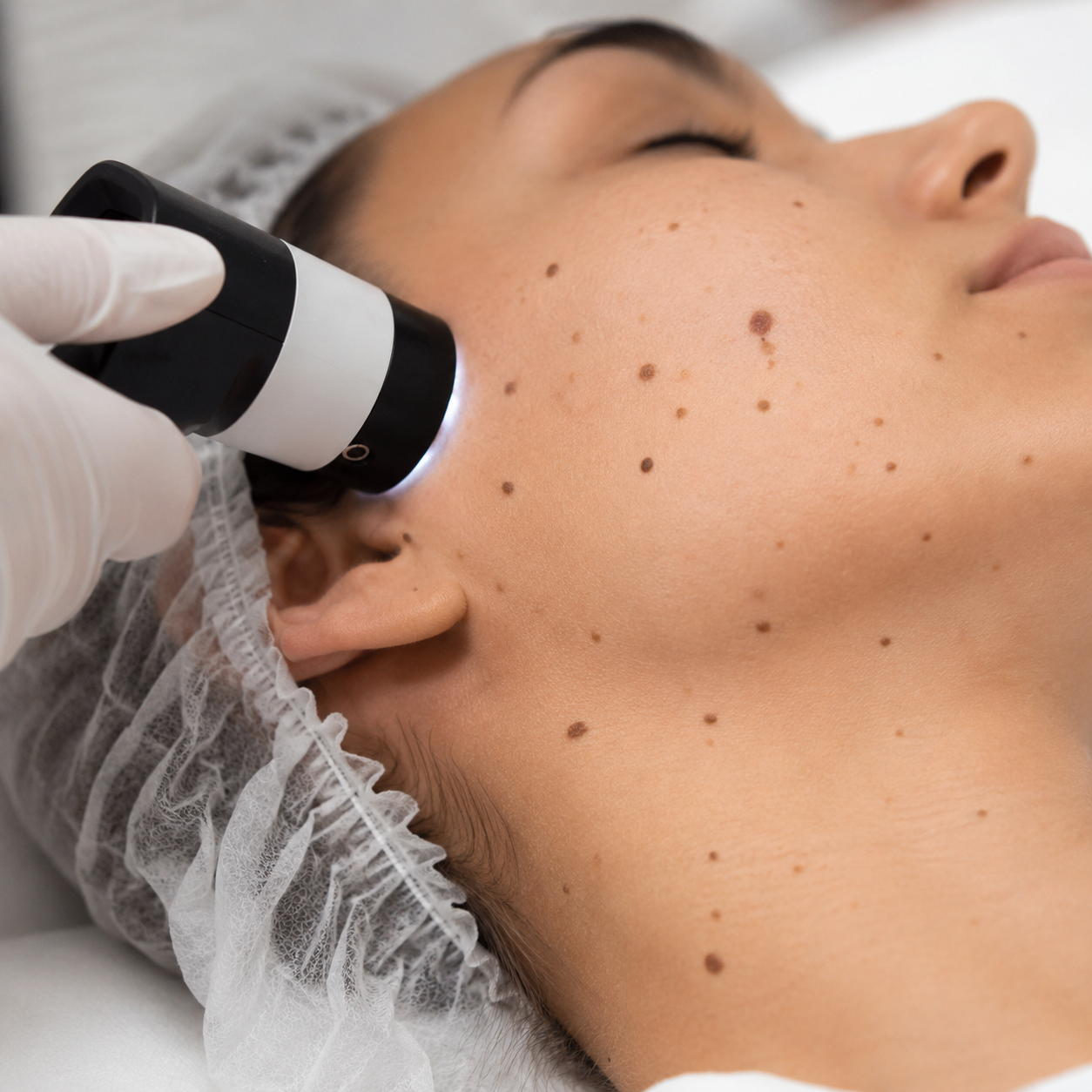
While many moles are completely harmless, recognising the early signs of melanoma requires specialist expertise. A consultant dermatologist can distinguish between benign lesions and those that require closer monitoring or biopsy.
Full skin examination
Digital imaging of selected moles
Assessment using dermoscopy
Comparison with previous photographs (where available)
Personalised follow-up recommendations
While many moles are completely harmless, recognising the early signs of melanoma requires specialist expertise. A consultant dermatologist can distinguish between benign lesions and those that require closer monitoring or biopsy.
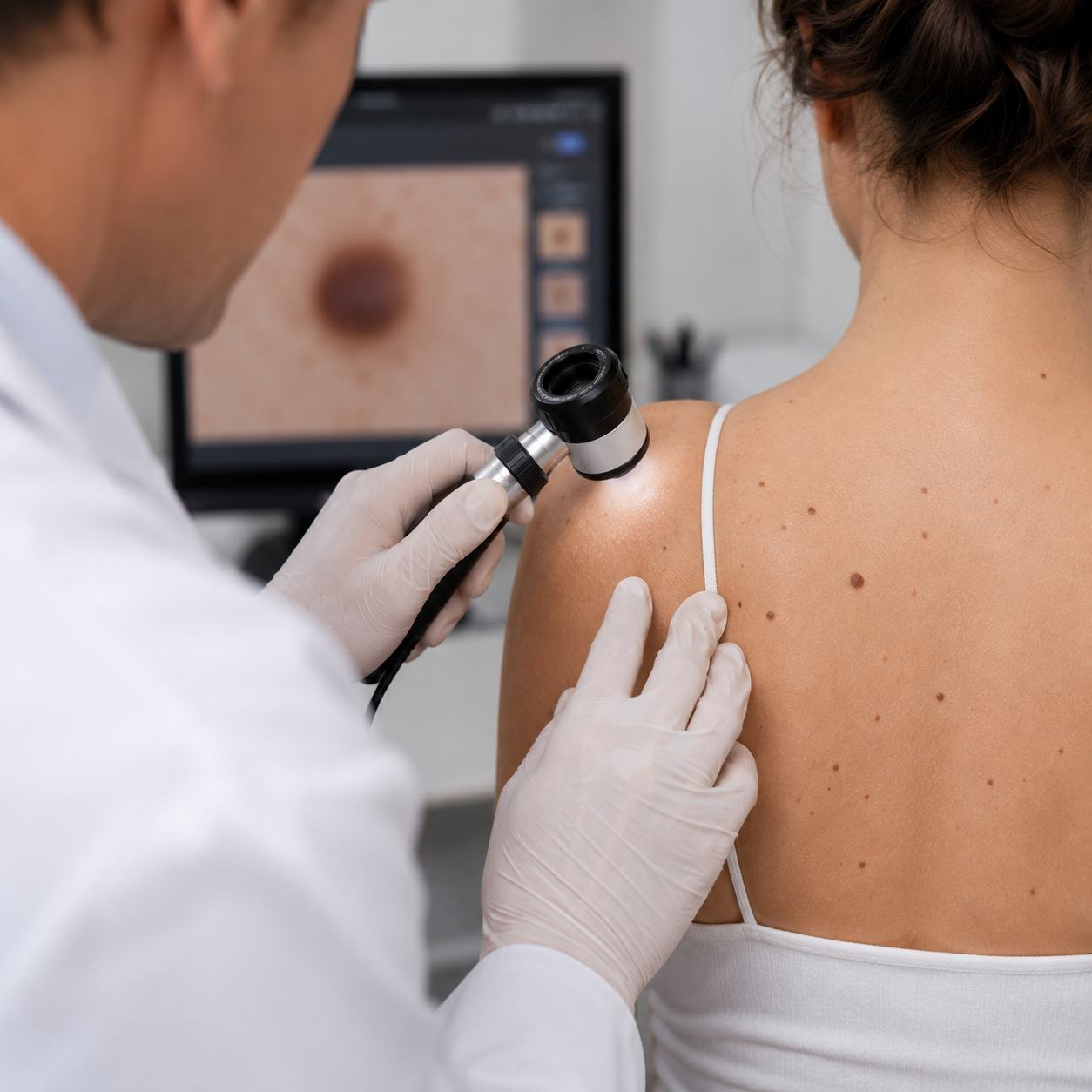
Dr. Kravvas provides comprehensive mole assessment using advanced dermoscopy and digital photography. Your examination is tailored according to your skin type, medical history and individual melanoma risk.
Digital mole photography
Dermoscopic skin examination
Long-term mole monitoring
Surgical mole biopsy where indicated
Digital photographs create a permanent record of your moles, allowing precise comparison during future appointments and improving the detection of subtle changes.
Each mole is examined using dermoscopy, a specialised magnification technique that reveals structures beneath the skin surface invisible to the naked eye.
If a mole appears suspicious, Dr. Kravvas will discuss whether a biopsy or complete removal is recommended for further laboratory analysis.
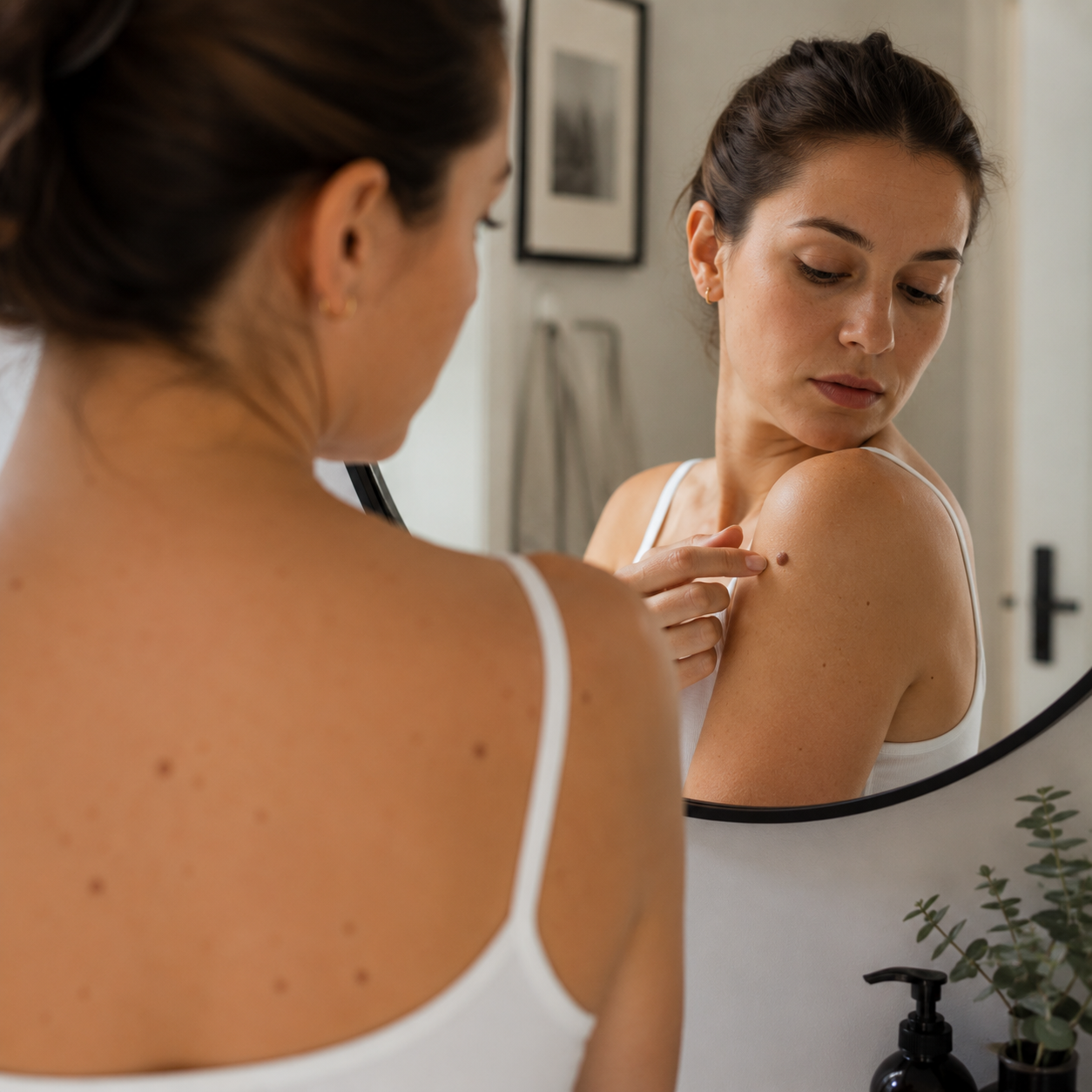
After your mole mapping session, Dr. Kravvas will explain the results and recommend how often your skin should be reviewed, based on the number and type of moles you have and your personal risk factors. Comparing future images against your baseline makes it possible to spot subtle changes early, when treatment is simplest and most effective.
Mole mapping is non-invasive and painless, and only a little preparation is needed for the clearest images.

Dr. George Kravvas is a consultant dermatologist with expertise in skin cancer detection, dermoscopy and mole surveillance. Combining advanced imaging technology with extensive clinical experience, he provides thorough skin examinations and personalised monitoring plans designed to identify suspicious lesions as early as possible.
Whether you require reassurance, routine mole monitoring or assessment of a changing lesion, you will receive expert care in a calm and professional Harley Street setting.
Mole mapping helps identify suspicious changes that may indicate melanoma at an early stage. While it does not replace biopsy where necessary, it is one of the most effective methods for monitoring high-risk patients.
The recommended interval depends on your individual risk profile. Some patients benefit from annual monitoring, while higher-risk individuals may require more frequent reviews.
Yes. Mole mapping is particularly valuable for people with numerous moles because it allows accurate comparison over time and makes subtle changes easier to detect.
If a mole shows concerning features, Dr. Kravvas will explain the findings and discuss whether further investigation, biopsy or removal is recommended.
No. Mole mapping is completely non-invasive. It involves a skin examination and photographs of your skin and moles, with no needles or discomfort.
Most appointments take around 30 to 60 minutes, depending on the number of moles you have. Dr. Kravvas will explain the findings with you before you leave.