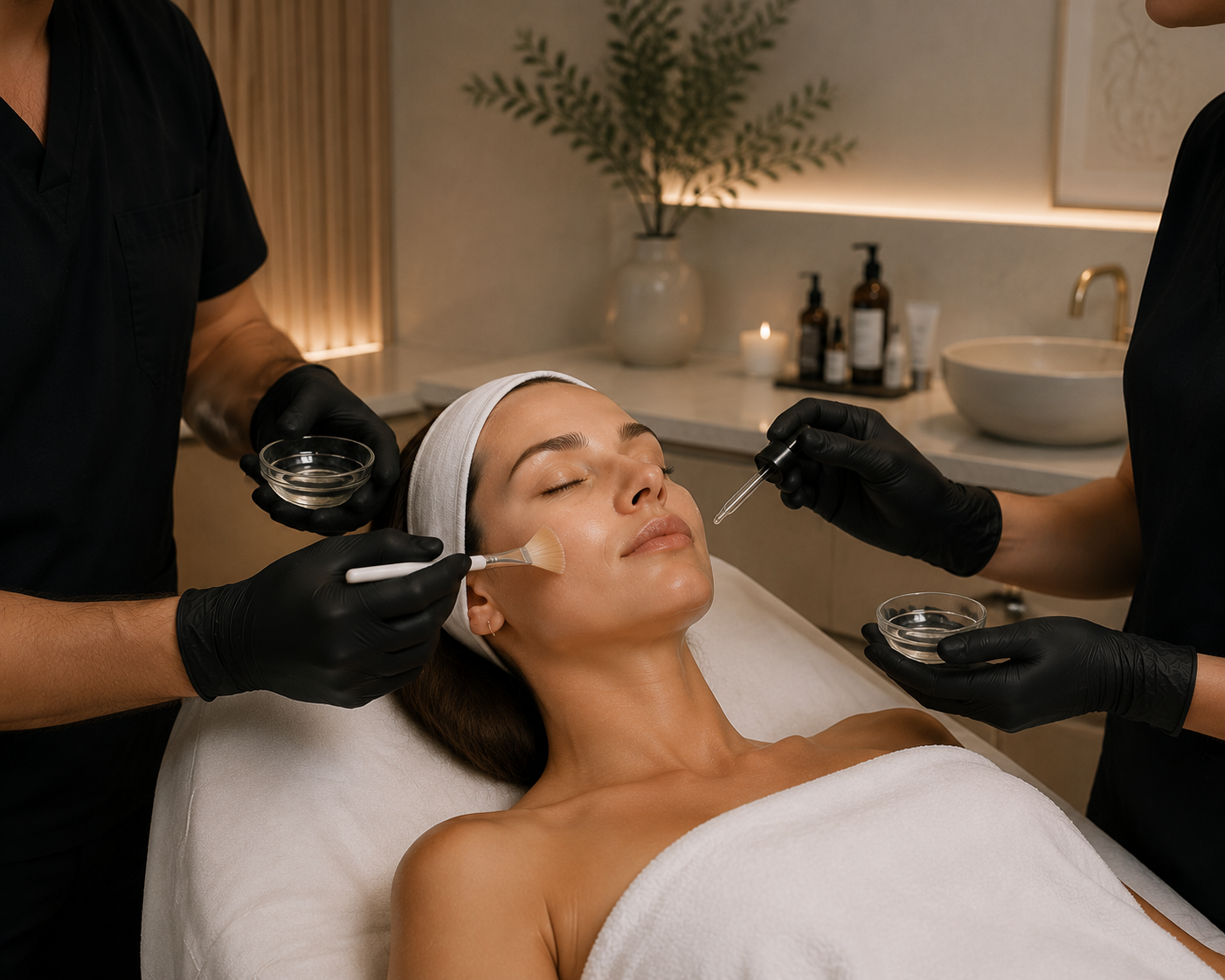
Chemical peels are skin-resurfacing treatments that use carefully selected acids to exfoliate the outer layers of the skin and stimulate cell turnover. This process helps remove damaged skin cells and encourages the growth of healthier, smoother skin.
Depending on the type and strength of peel used, treatments can target a range of concerns—from mild dullness to more persistent issues like pigmentation and acne.
Unlike harsh, one-size-fits-all approaches, modern chemical peels are tailored to your skin type and goals, allowing for controlled, predictable results with minimal risk.
Dull or uneven skin tone
Acne and congestion
Post-inflammatory pigmentation
Sun damage and age spots
Fine lines and early signs of ageing
Face
Neck
Décolletage
Back (for acne and scarring)
Chemical peels are a versatile option for patients looking to improve overall skin clarity, texture, and brightness without invasive procedures.
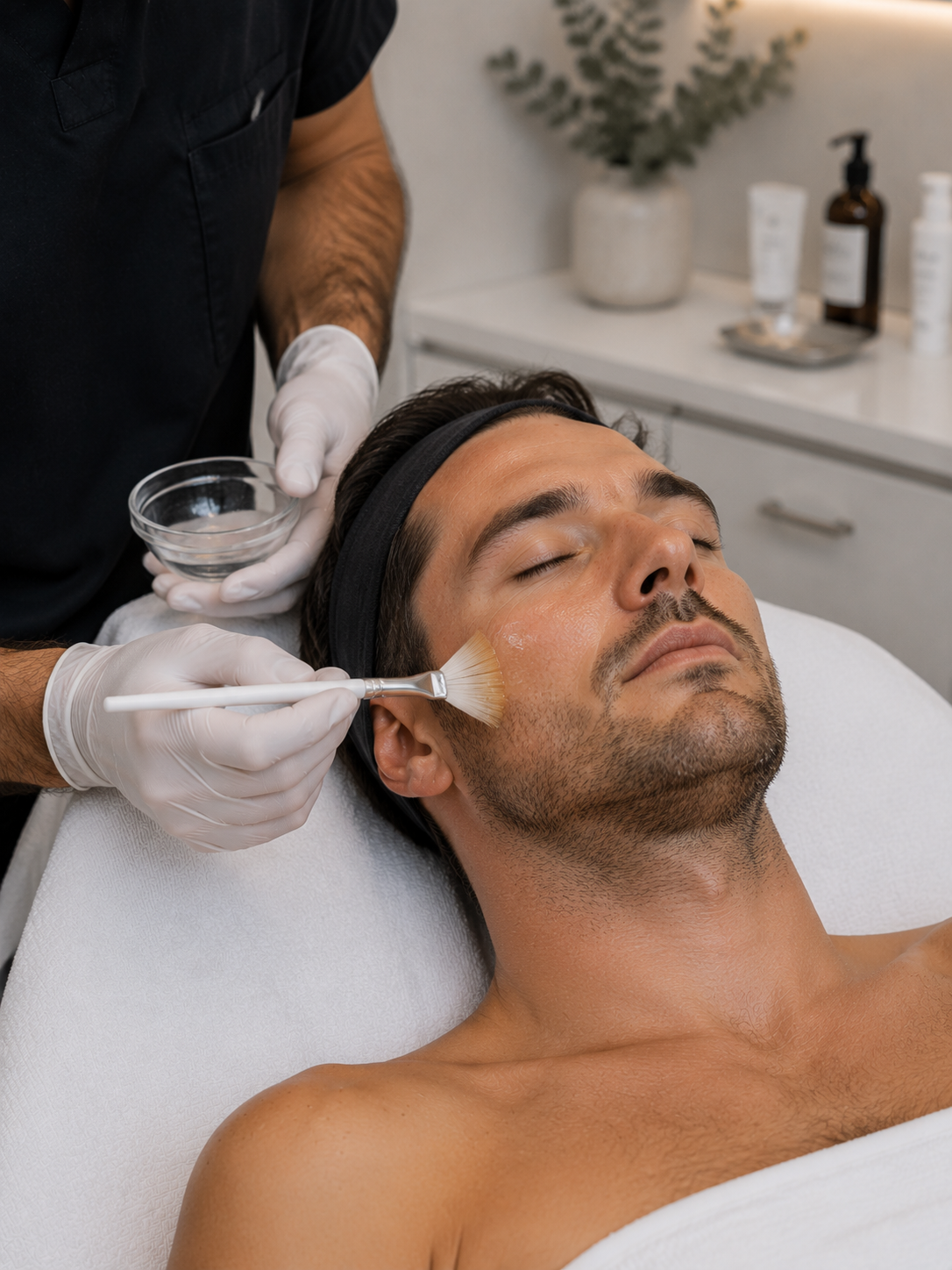
A single session may be sufficient for mild concerns, but a course of treatments is often recommended for more noticeable and longer-lasting results.
Step 1: Consultation
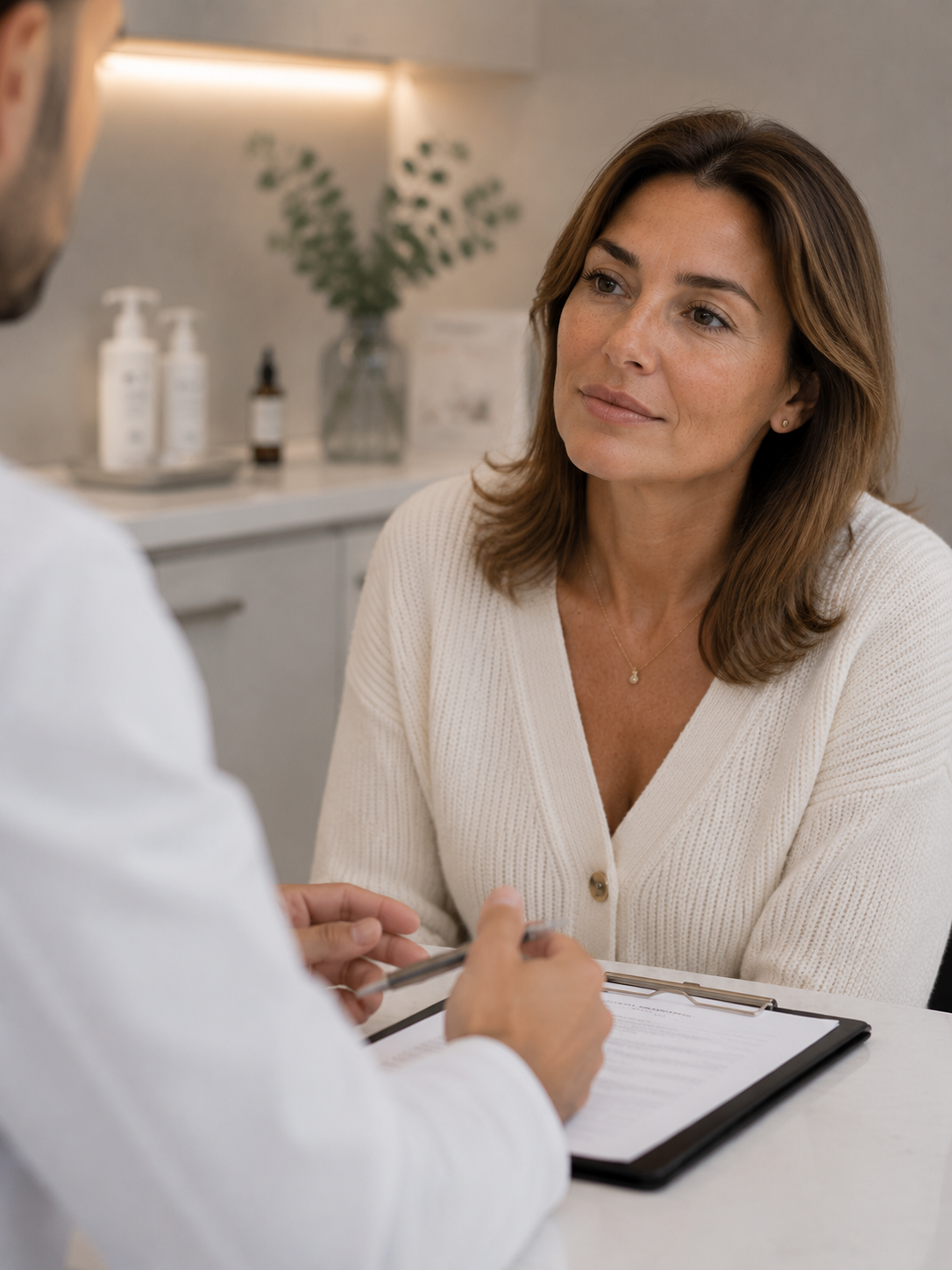
Dr. Kravvas will assess your skin type, sensitivity, and concerns. The appropriate peel type and strength will be selected based on your goals and tolerance.
Step 2: Treatment
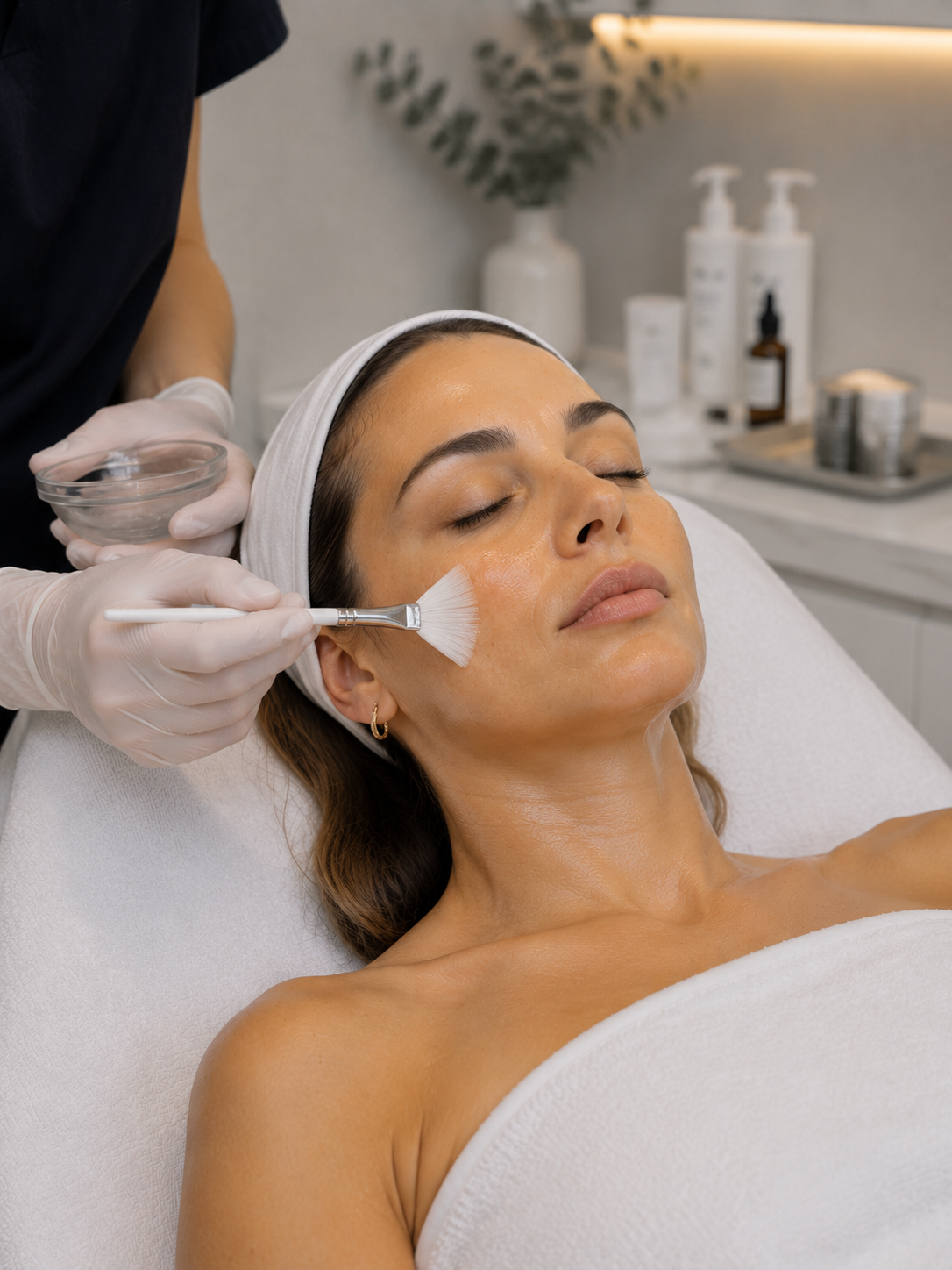
The peel solution is applied to the skin for a controlled period. You may feel a mild tingling or warmth during the procedure, which typically lasts 15–30 minutes.
Step 3: Aftercare & Results
You may experience redness, tightness, or light peeling in the days following treatment. Deeper peels may involve more visible peeling and slightly longer recovery.

Dr. George Kravvas is a consultant dermatologist and published academic with a special interest in acne, rosacea, and acne scarring. His clinical approach combines medical expertise with cutting-edge technology to achieve consistently high standards of care.
Whether your acne is mild, moderate, or severe — Dr. Kravvas will provide clarity, confidence, and a plan tailored to you.
It depends on the concern. For mild dullness or texture, a single peel can make a noticeable difference. For acne, pigmentation, or longer-term skin issues, a course of 3–6 treatments spaced a few weeks apart is usually recommended.
Most patients experience a mild tingling, warmth, or slight stinging during the treatment. It’s generally well tolerated and short-lived. Stronger peels may feel more intense, but discomfort is temporary and manageable.
Recovery varies depending on the strength of the peel. Light peels may cause mild redness or dryness for 1–3 days. Medium peels can lead to visible peeling for several days. Most patients return to normal activities quickly, but skin may take up to a week to fully settle.
Yes. Chemical peels are commonly used to treat acne, reduce breakouts, and improve post-inflammatory pigmentation. They help unclog pores, reduce oil buildup, and accelerate skin renewal, which can lead to clearer and more even skin over time.