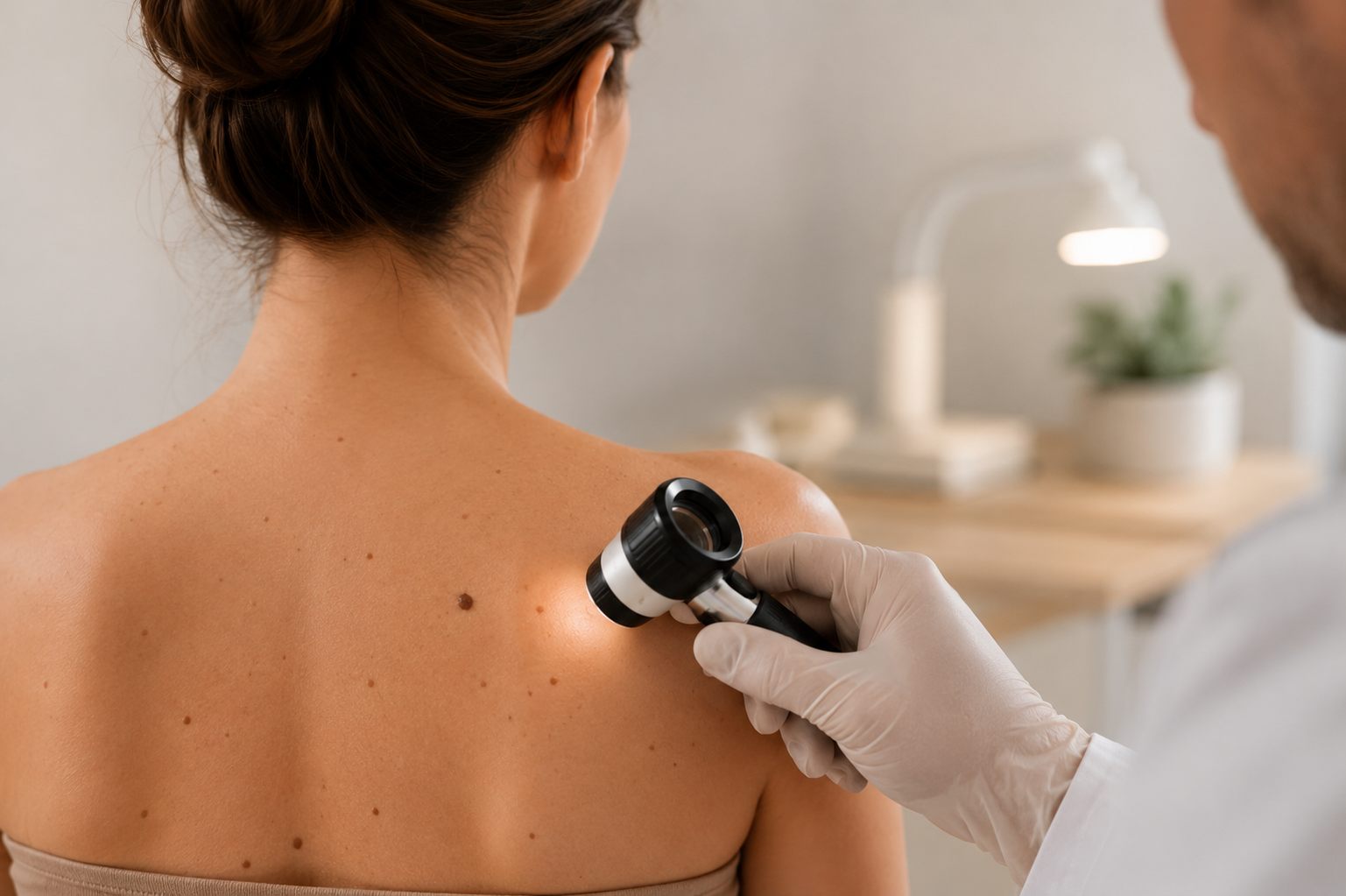
If you have noticed a new mole, a changing mole, or a skin lesion that concerns you, an expert mole screening appointment can provide reassurance or identify whether further investigation is needed. Dr. Kravvas offers comprehensive mole assessments using advanced dermoscopy to accurately evaluate pigmented skin lesions.
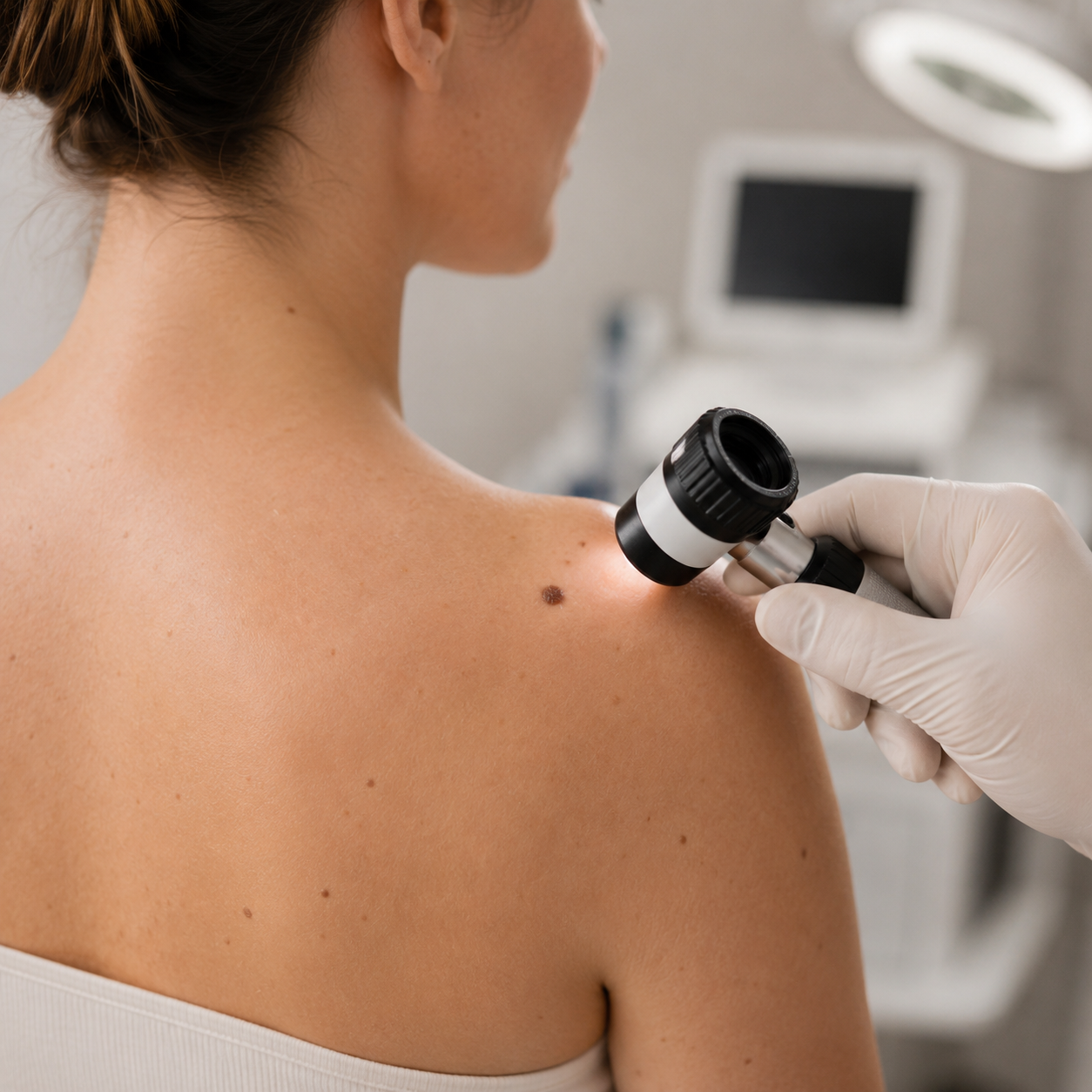
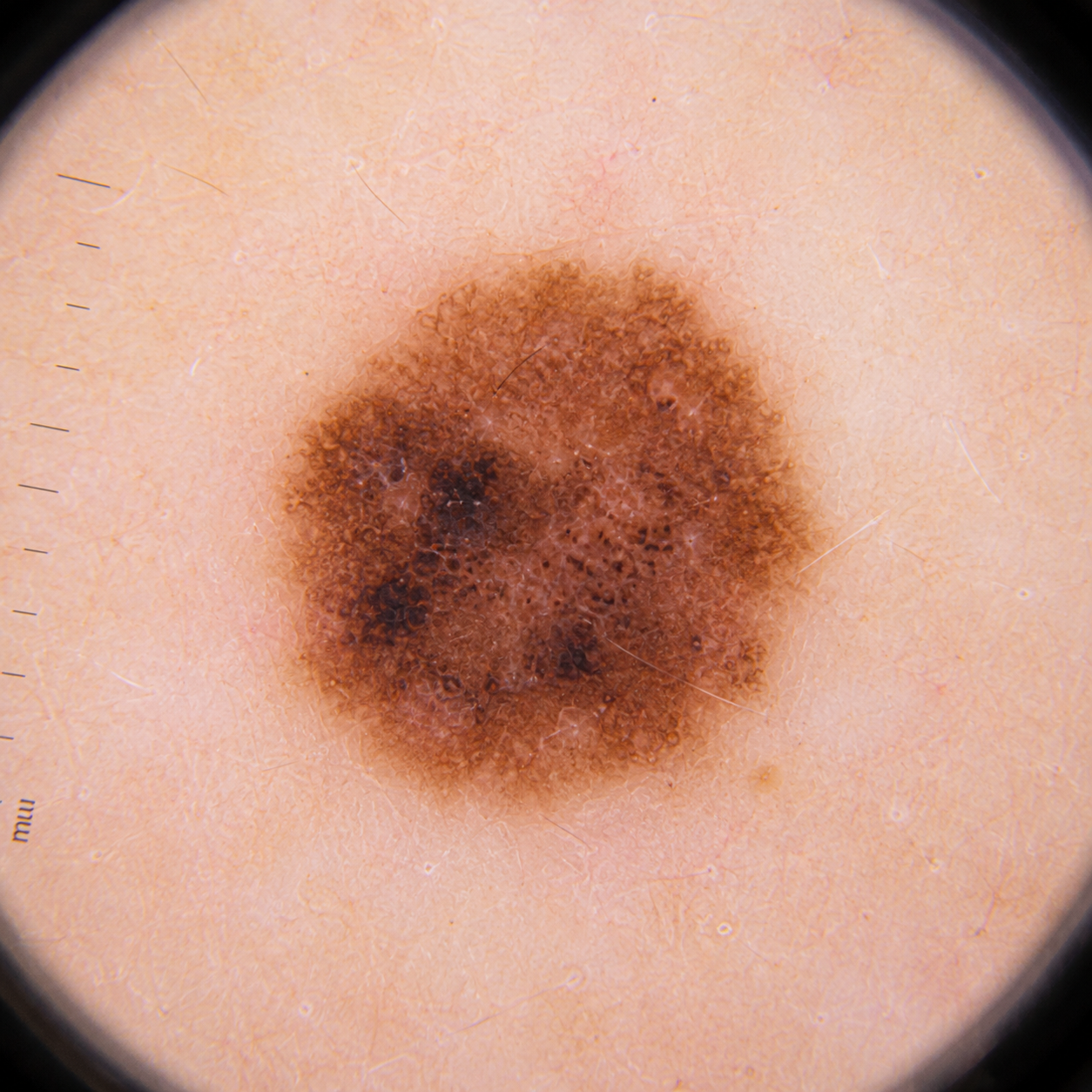
Mole screening is a specialist dermatology consultation focused on examining moles and pigmented skin lesions for signs of skin cancer or other abnormalities. Using a dermatoscope, Dr. Kravvas can assess structures beneath the skin surface that are invisible to the naked eye, helping distinguish harmless moles from lesions requiring closer attention.
Assessment of new or changing moles
Dermoscopic examination
Early detection of melanoma
Identification of benign skin lesions
Personalised management recommendations
Early detection is one of the most effective ways to diagnose melanoma and other skin cancers at an early, highly treatable stage. While most moles are completely benign, any new, changing, irregular or symptomatic mole should be assessed by a consultant dermatologist rather than relying on self-examination alone.

A new mole appearing in adulthood
Changes in size, shape or colour
Bleeding, itching or crusting lesions
Irregular or asymmetrical moles
Family or personal history of skin cancer
Concern about any unusual skin lesion
Mole screening is recommended for anyone who has concerns about a particular mole or skin lesion, especially if it has changed in appearance or developed new symptoms.

Not every unusual-looking mole is cancerous, but identifying the small number that require further investigation takes specialist expertise. Dr. Kravvas combines extensive dermatology experience with high-resolution dermoscopy to accurately assess skin lesions and recommend the most appropriate next step. Where necessary, biopsy or removal can be arranged promptly.
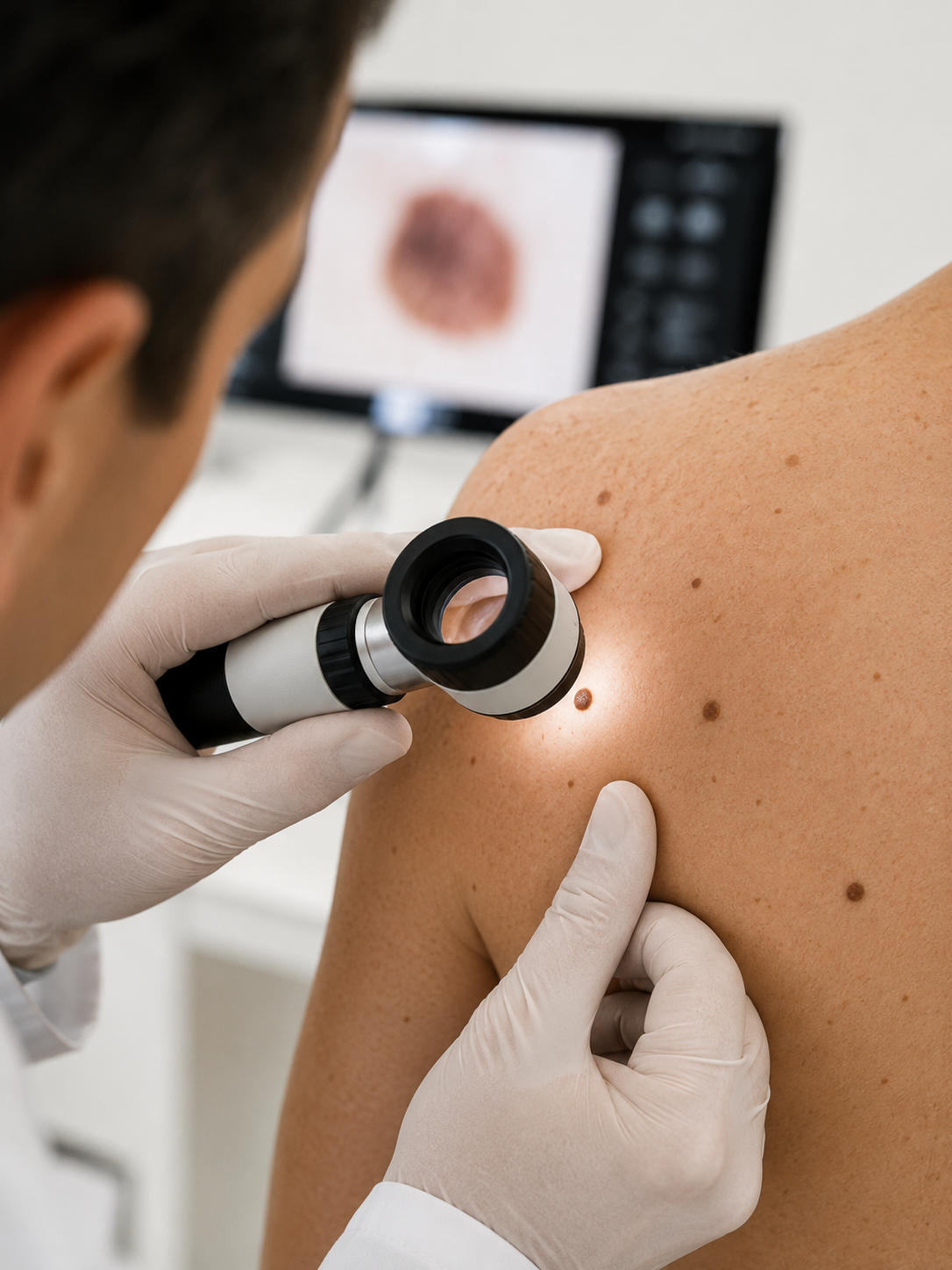
Your consultation is tailored to your individual concerns and typically includes:
Discussion of your medical history
Examination of the mole(s) causing concern
Explanation of the findings
Advice on monitoring or treatment
Referral for biopsy or removal if clinically indicated

Dr. George Kravvas is a consultant dermatologist with extensive experience in the assessment and diagnosis of moles and pigmented skin lesions. Using advanced dermoscopy and an evidence-based approach, he provides accurate evaluations to identify benign moles and detect lesions that may require further investigation.
Whether you have noticed a new mole, a changing lesion, or simply want expert reassurance, Dr. Kravvas will provide a thorough assessment, explain his findings clearly, and recommend the most appropriate next steps for your individual circumstances.
Mole screening focuses on assessing one or more concerning moles during a consultation. Mole mapping involves detailed photographic monitoring of multiple moles over time for patients at increased risk of melanoma.
No. The examination is completely non-invasive and involves visual inspection and dermoscopy.
Most consultations last around 20–30 minutes, depending on the number of lesions being assessed.
Not usually. If removal or biopsy is recommended, this will be discussed and arranged appropriately.
Mole screening is designed to identify suspicious lesions that may require biopsy or removal. Early assessment significantly improves the chances of detecting melanoma at an early stage.