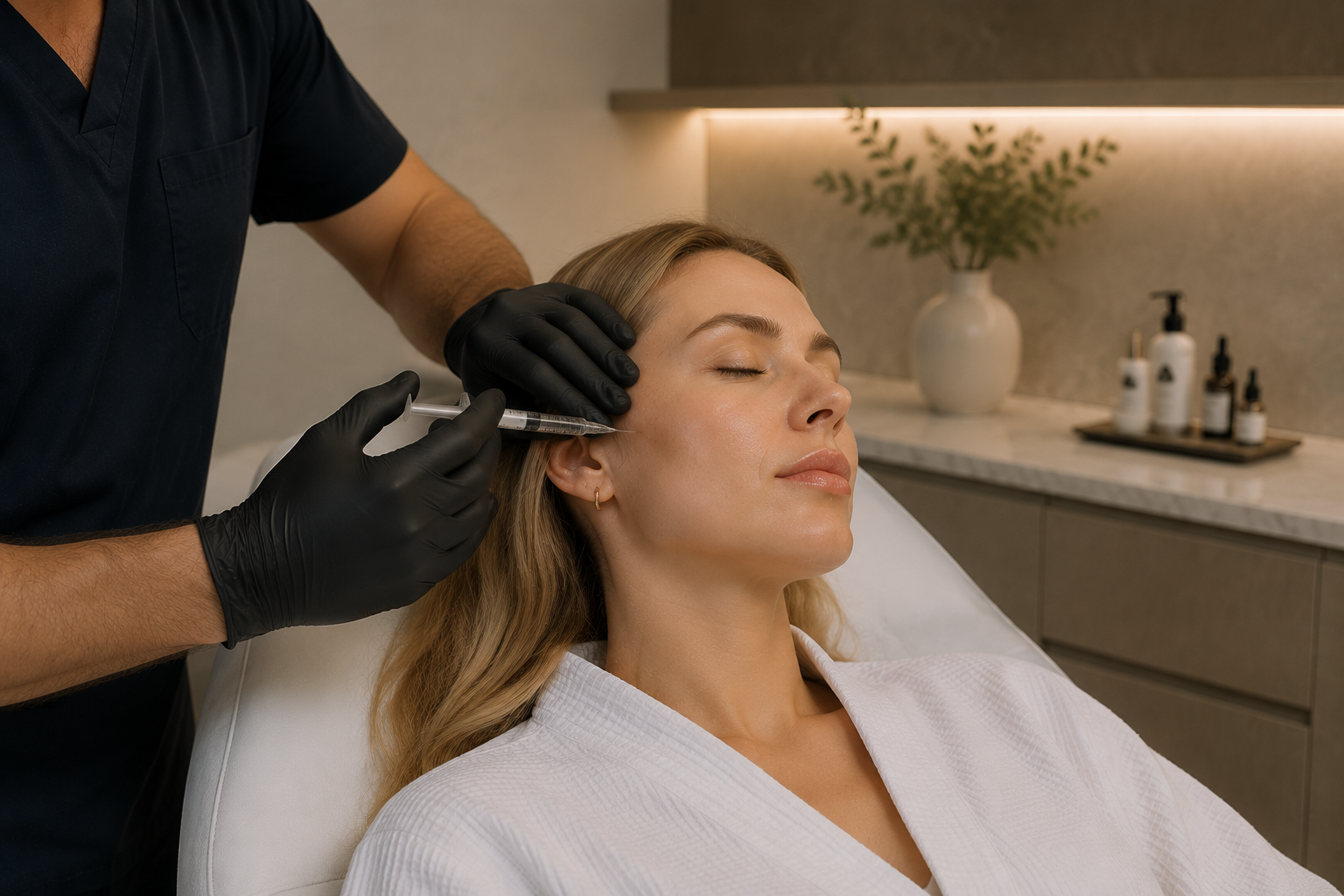
Polynucleotides are advanced injectable treatments designed to regenerate and repair the skin at a cellular level. Derived from highly purified DNA fragments, they work by stimulating fibroblasts, boosting collagen production, and improving tissue quality over time.
Unlike traditional fillers, polynucleotides do not add volume or change facial structure. Instead, they improve skin texture, elasticity, and hydration — making them ideal for patients seeking natural, long-term skin rejuvenation.
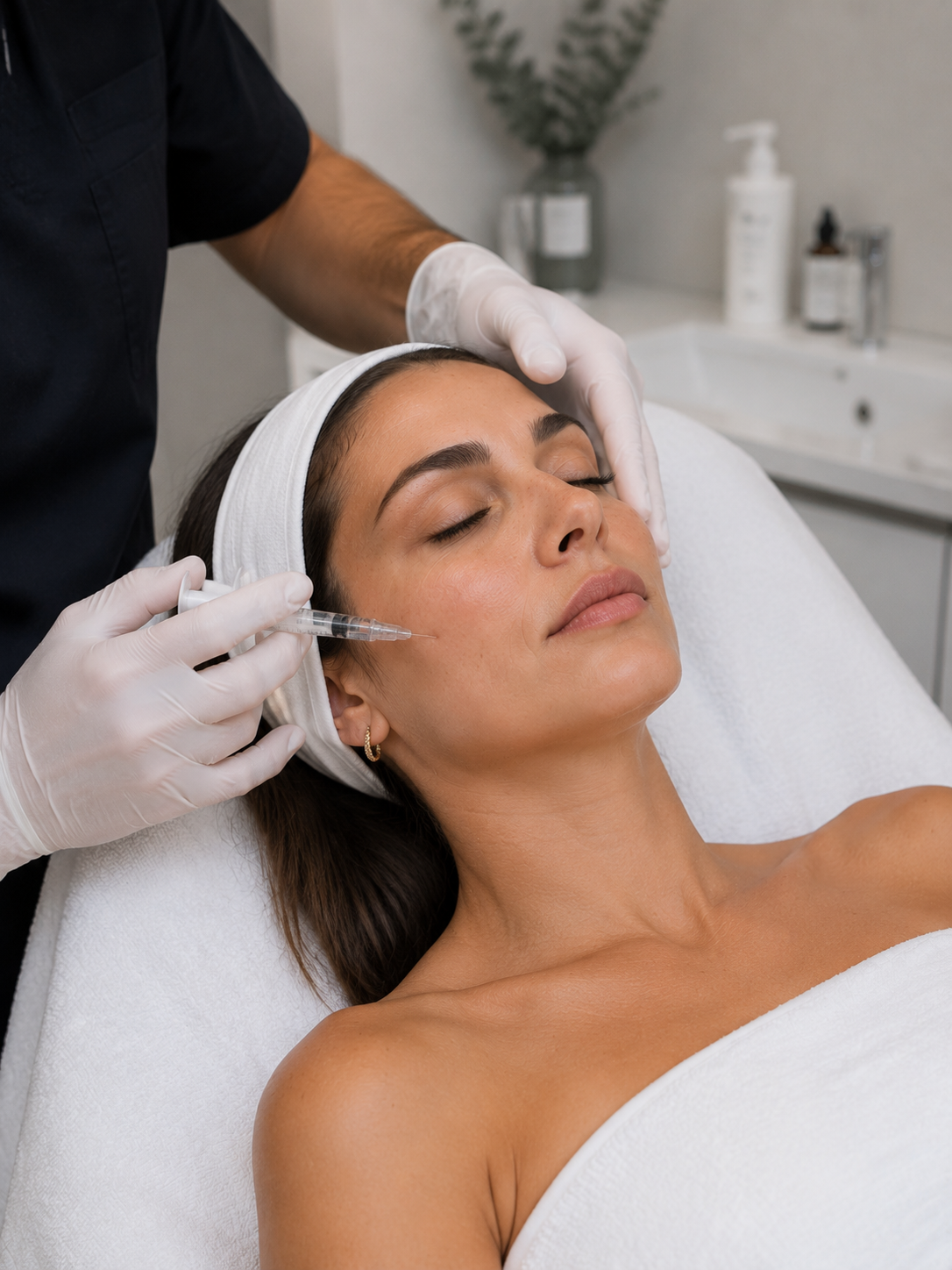
Dull or tired-looking skin
Fine lines and early wrinkles
Under-eye crepiness and dark circles,
Loss of skin elasticity
Diet, Acne scarring and skin damage

Under-eye area (tear trough and crepey skin)
Full face rejuvenation
Neck and décolletage
Acne-scarred areas
This makes them a strong option for patients who want overall skin improvement rather than targeted volume correction.
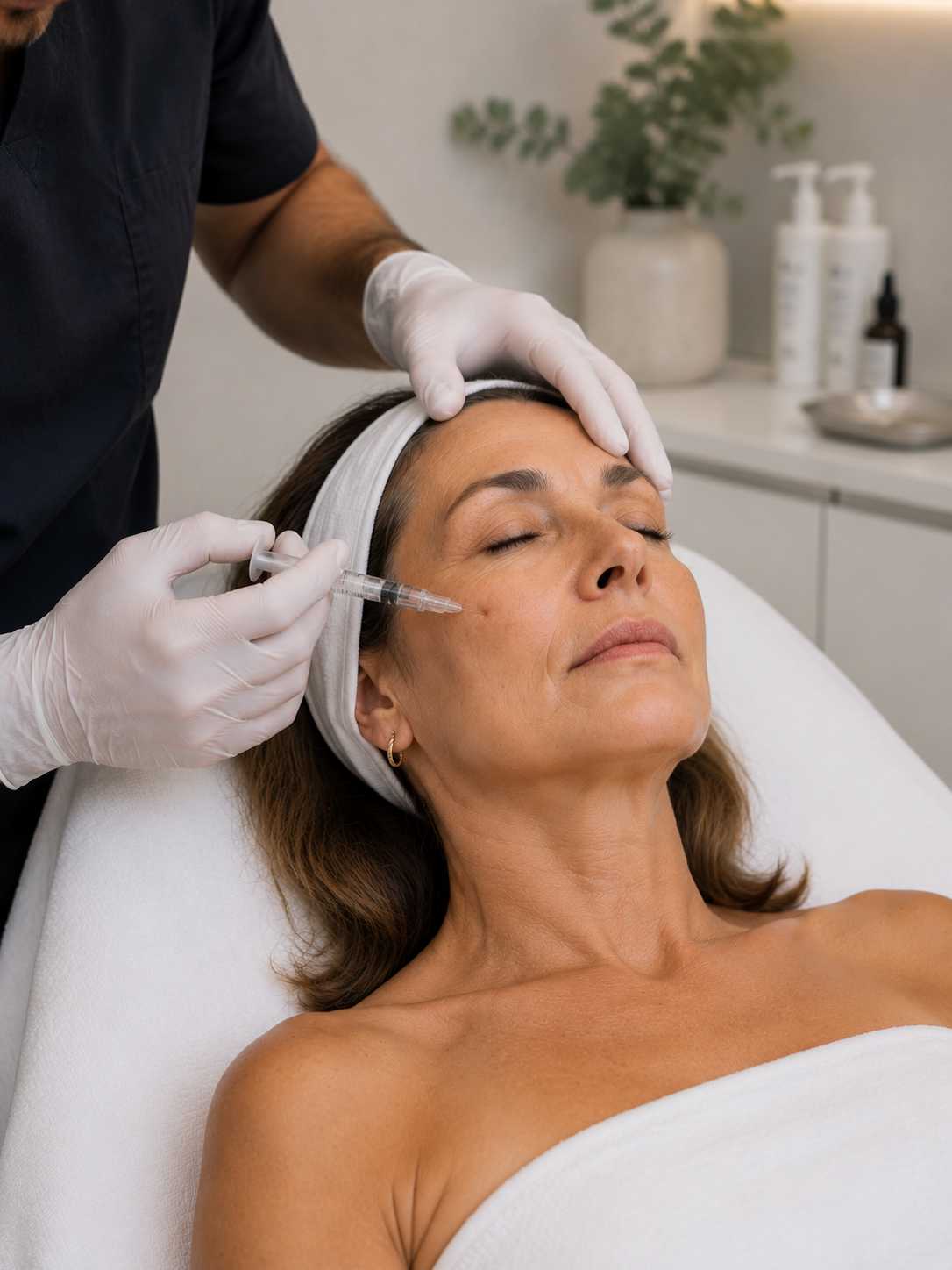
A course of 2–3 sessions, spaced a few weeks apart, is typically recommended. Results appear gradually, with improvements in skin texture, hydration, and firmness over time.
Step 1: Consultation
Dr. Kravvas will assess your skin quality, areas of concern, and long-term goals. A personalised treatment plan will be created based on your needs.
Step 2: Treatment
The procedure involves a series of small injections into the targeted areas. It typically takes 20–30 minutes. A topical anaesthetic can be applied to minimise discomfort.
Step 3: Aftercare & Results
Mild swelling, redness, or small bumps may occur immediately after treatment and usually settle within 24–48 hours.

Dr. George Kravvas is a consultant dermatologist and published academic with a special interest in acne, rosacea, and acne scarring. His clinical approach combines medical expertise with cutting-edge technology to achieve consistently high standards of care.
Whether your acne is mild, moderate, or severe — Dr. Kravvas will provide clarity, confidence, and a plan tailored to you.
Most patients benefit from a course of 2–3 sessions spaced around 2–4 weeks apart. In some cases, particularly for more damaged or ageing skin, additional sessions may be recommended. Maintenance treatments every 4–6 months help sustain results.
You won’t see an instant change. Polynucleotides work by stimulating skin repair, so results develop gradually. Early improvements in hydration and texture can appear within a few weeks, with more noticeable changes in firmness and skin quality after a full course of treatment.
They do different things. Skin boosters mainly improve hydration, while polynucleotides actively stimulate tissue repair and collagen production. Polynucleotides are generally a better option if your goal is long-term skin regeneration rather than short-term glow.
Yes, and this is one of their strongest uses. They are particularly effective for treating crepey skin, fine lines, and dark circles under the eyes, especially in patients where filler may not be suitable.