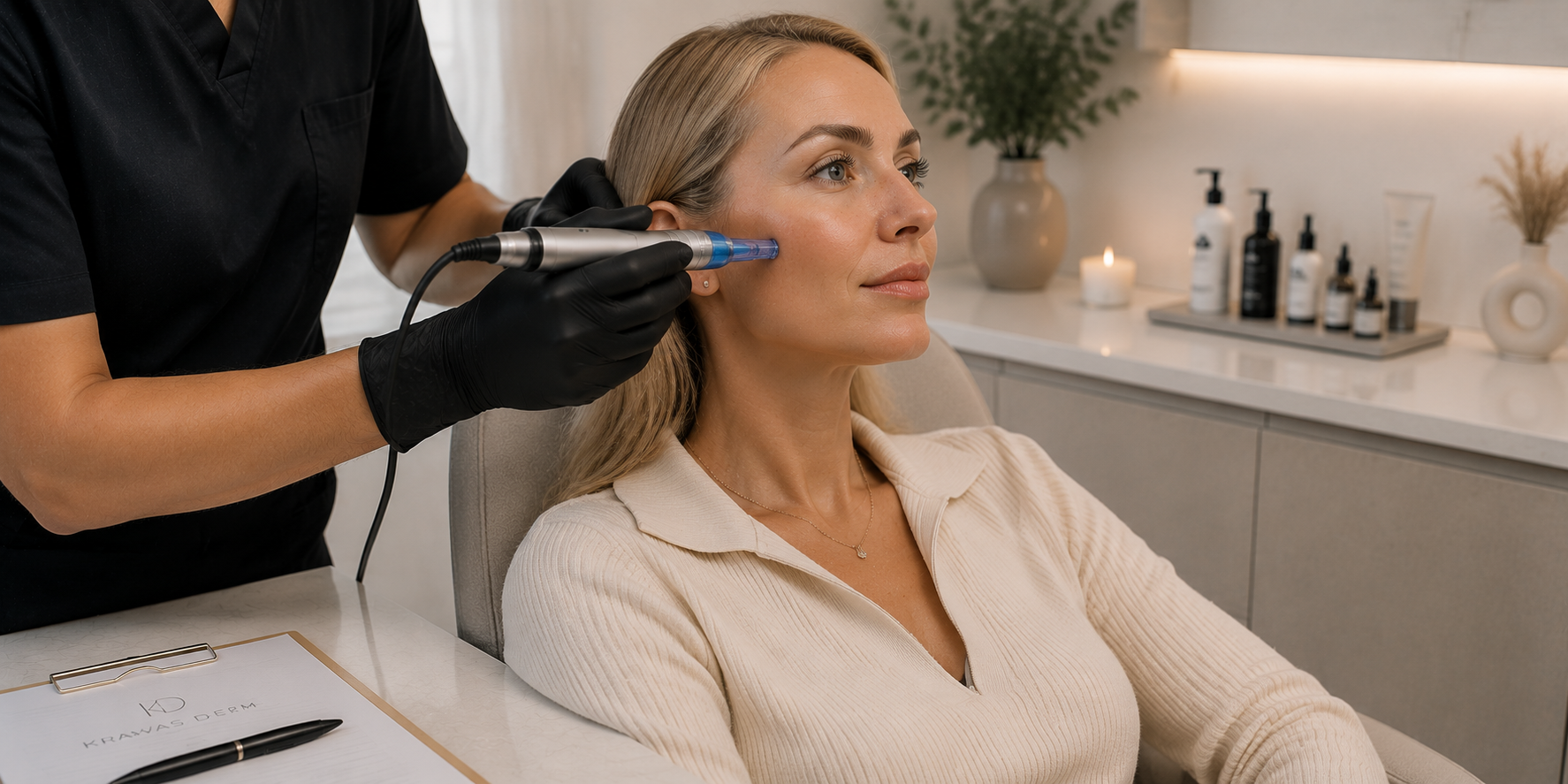
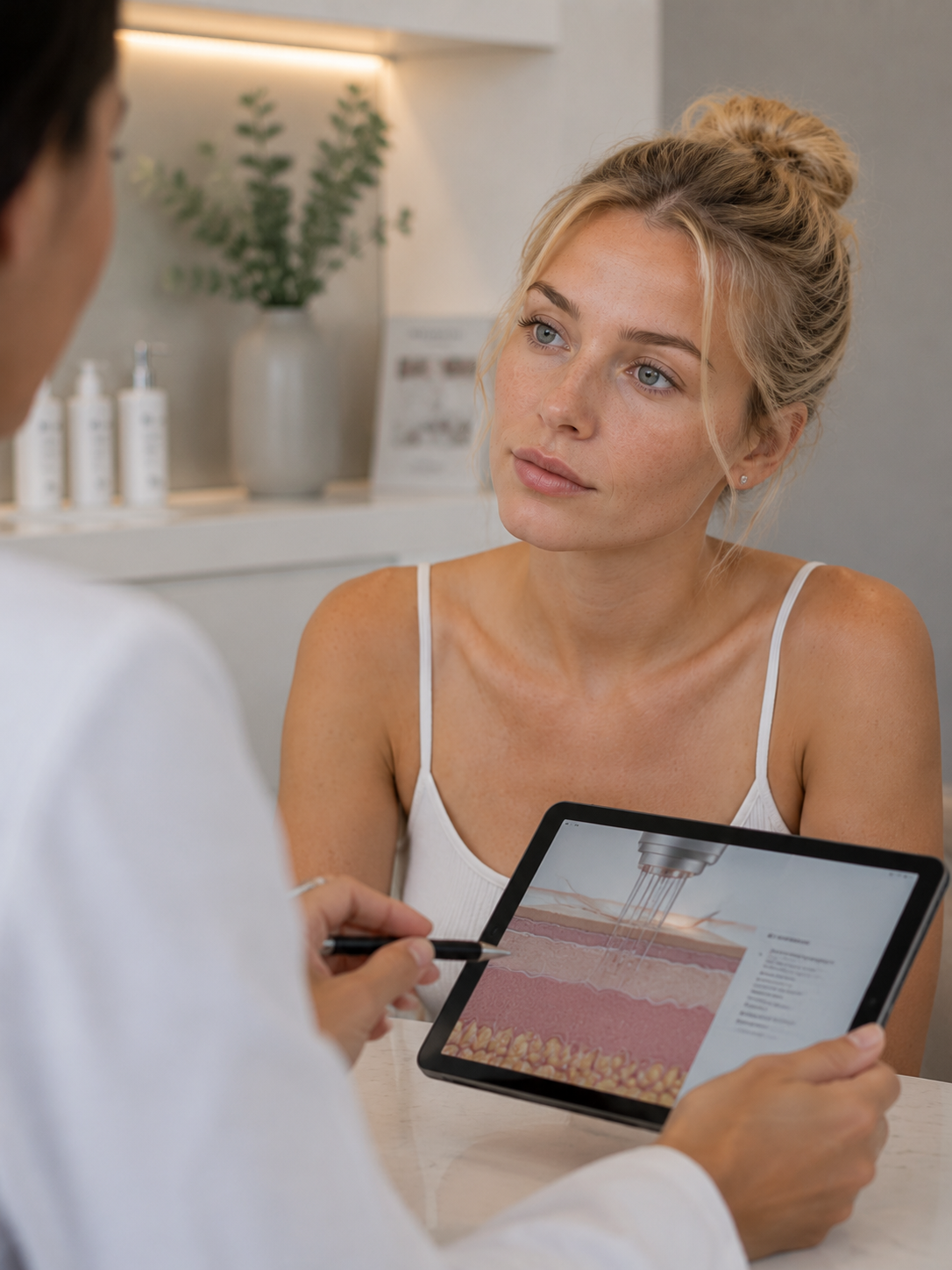
Microneedling is a minimally invasive treatment that stimulates the skin’s natural repair process by creating controlled micro-injuries using fine needles. This triggers collagen and elastin production, helping to improve skin texture, firmness, and overall quality.
Rather than masking concerns, microneedling works by strengthening the skin from within—making it a reliable option for long-term skin improvement.
It can also enhance the absorption of active skincare ingredients, increasing their effectiveness.
Acne scarring
Fine lines and early wrinkles
Uneven skin texture
Enlarged pores
Stretch marks
Mild skin laxity
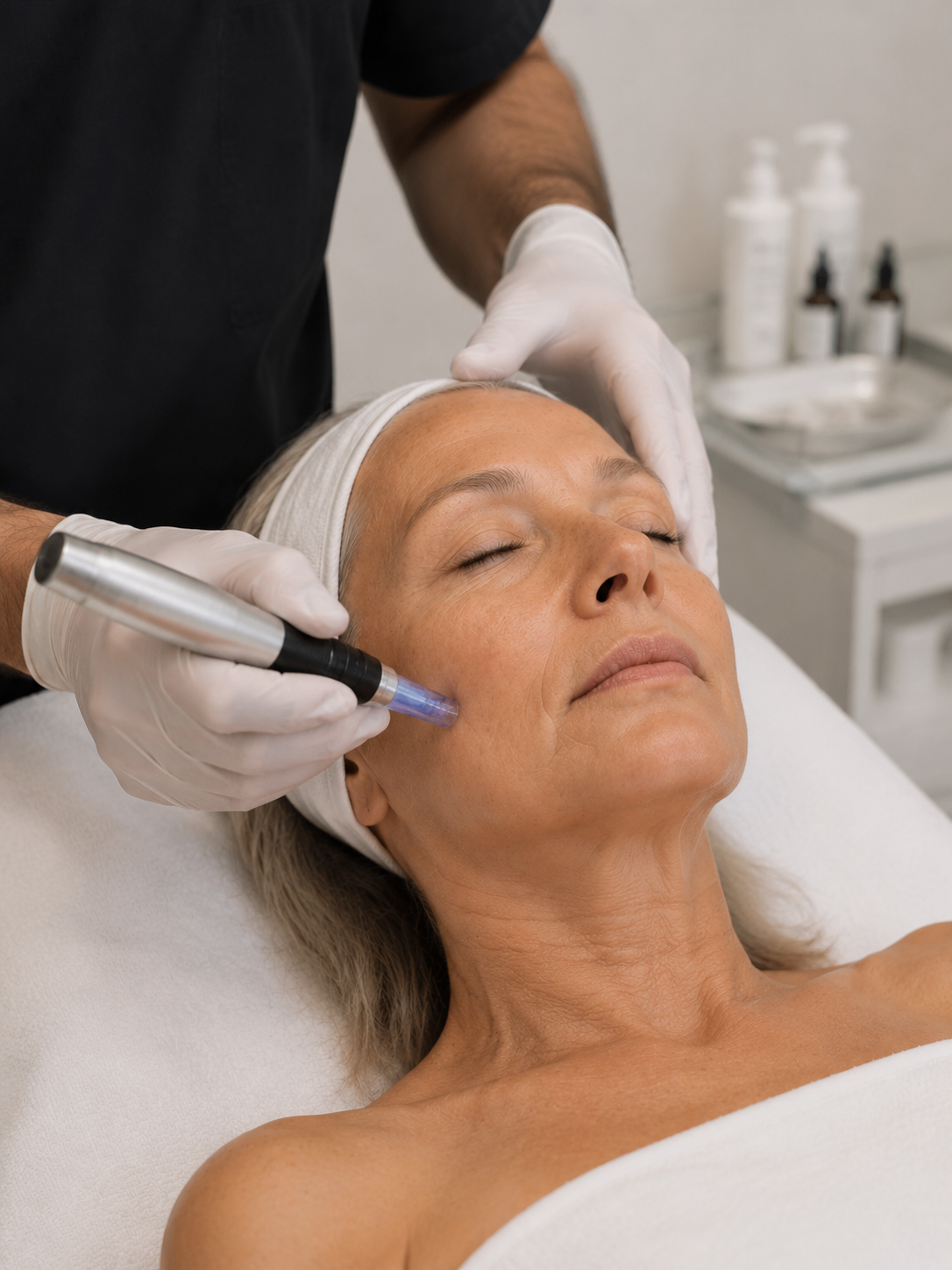
Face
Neck
Décolletage
Scalp (for hair thinning in some cases)
Microneedling is a versatile treatment for patients looking to improve overall skin quality without adding volume or altering facial structure.
A course of 3–6 sessions is typically recommended for best results, depending on the concern being treated.
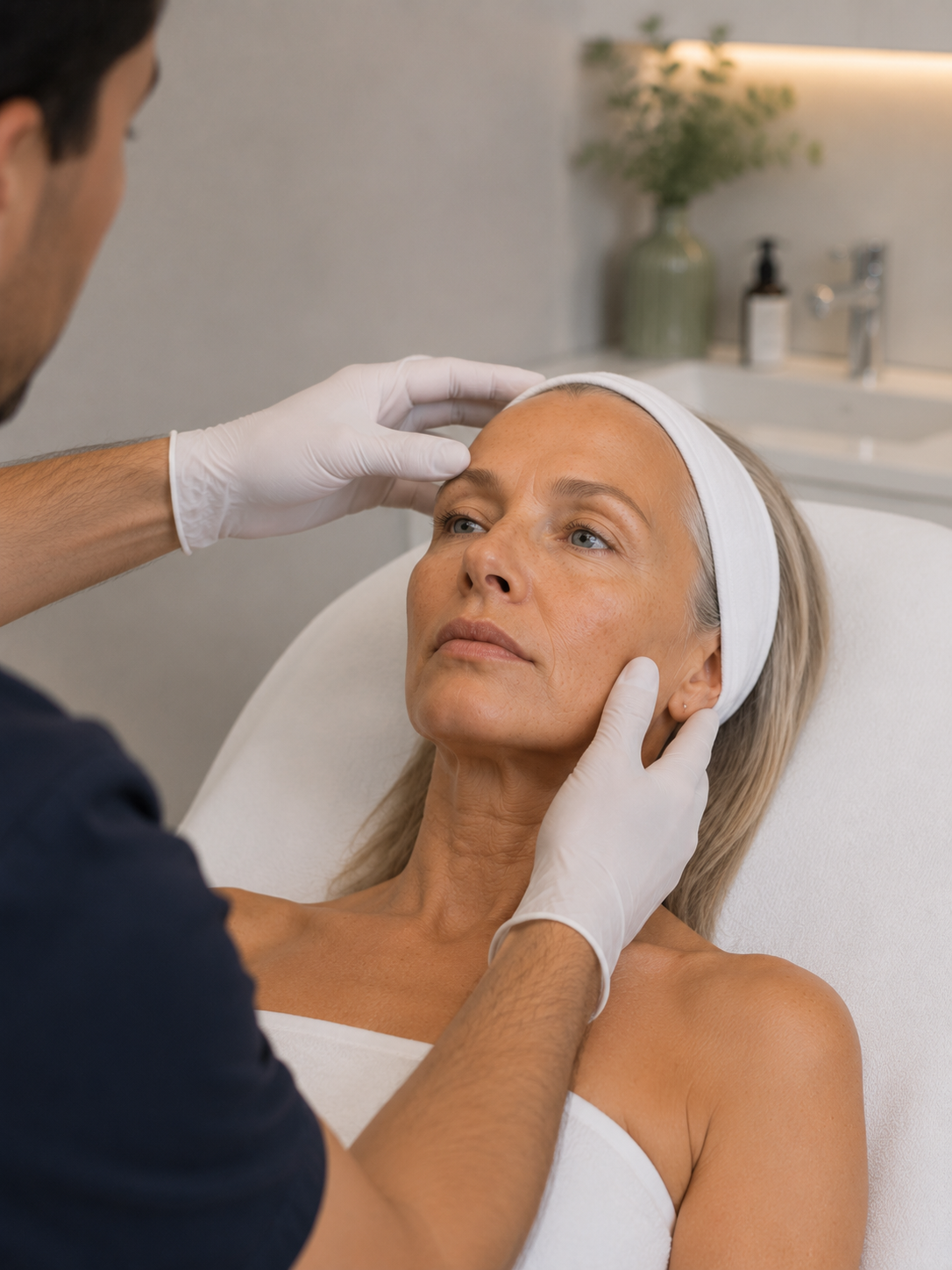
Step 1: Consultation
Dr. Kravvas will assess your skin condition, concerns, and treatment goals. A personalised plan will be created based on the severity of the issue and desired outcome.
Step 2: Treatment
A topical anaesthetic is applied to ensure comfort. A medical-grade microneedling device is then used to create controlled micro-injuries in the skin. The procedure typically takes 30–45 minutes.
Step 3: Aftercare & Results
Skin may appear red and slightly sensitive immediately after treatment, similar to a mild sunburn. This usually settles within 24–48 hours.

Dr. George Kravvas is a consultant dermatologist and published academic who performs microneedling with medical-grade devices under strict clinical standards. Needle depth and the number of sessions are tailored to your skin and concerns, so you get the best possible collagen response safely.
Whether you want to improve scarring, texture, pores or fine lines, Dr. Kravvas will provide clarity, confidence and a plan tailored to you.
Most patients require a course of 3–6 sessions spaced around 4 weeks apart. Deeper acne scars or more advanced skin concerns may require additional treatments.
A topical numbing cream is applied before treatment, so discomfort is minimal. Most patients describe the sensation as mild pressure or light scratching.
Redness and sensitivity usually last 24–48 hours. Some patients may experience mild dryness or flaking for a few days. Most people return to normal activities within a day.
Yes. Microneedling is widely used to improve acne scarring by stimulating collagen and helping to remodel the skin over time. Results build gradually with repeated sessions.
Yes. Because microneedling does not rely on heat or light, it is one of the safer collagen-stimulating treatments for darker skin types. Needle depth and aftercare are tailored to your skin to keep the risk of pigmentation changes low.
Yes. Microneedling is often combined with treatments such as chemical peels, polynucleotides or exosomes to enhance results. Dr. Kravvas will advise on the safest combination and timing for your skin and goals.