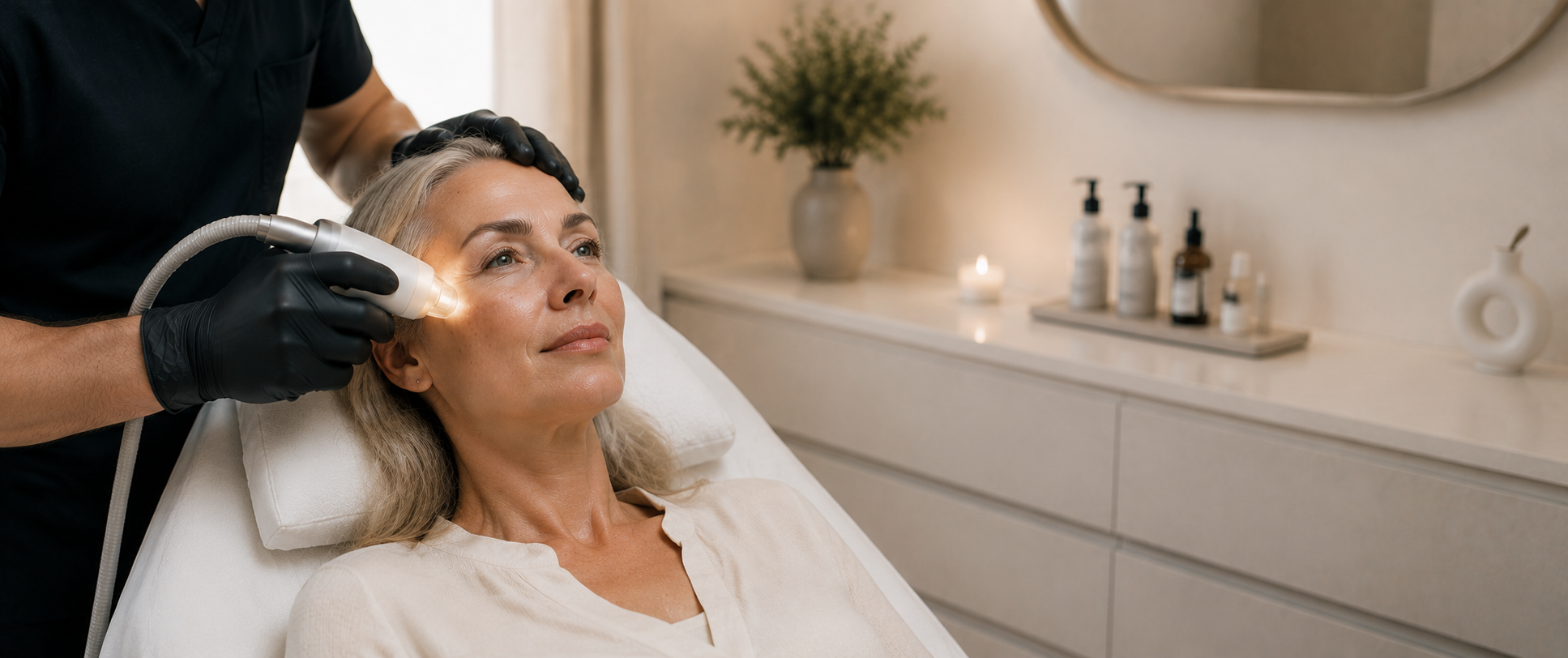
Sunspots, also known as solar lentigines or age spots, are flat, dark patches that develop on sun-exposed areas of the skin over time. They are caused by cumulative UV exposure and tend to become more noticeable with age.
Unlike freckles, sunspots are usually more persistent and do not fade on their own.
Treatments such as laser therapy and chemical peels can effectively reduce their appearance and restore a more even skin tone.
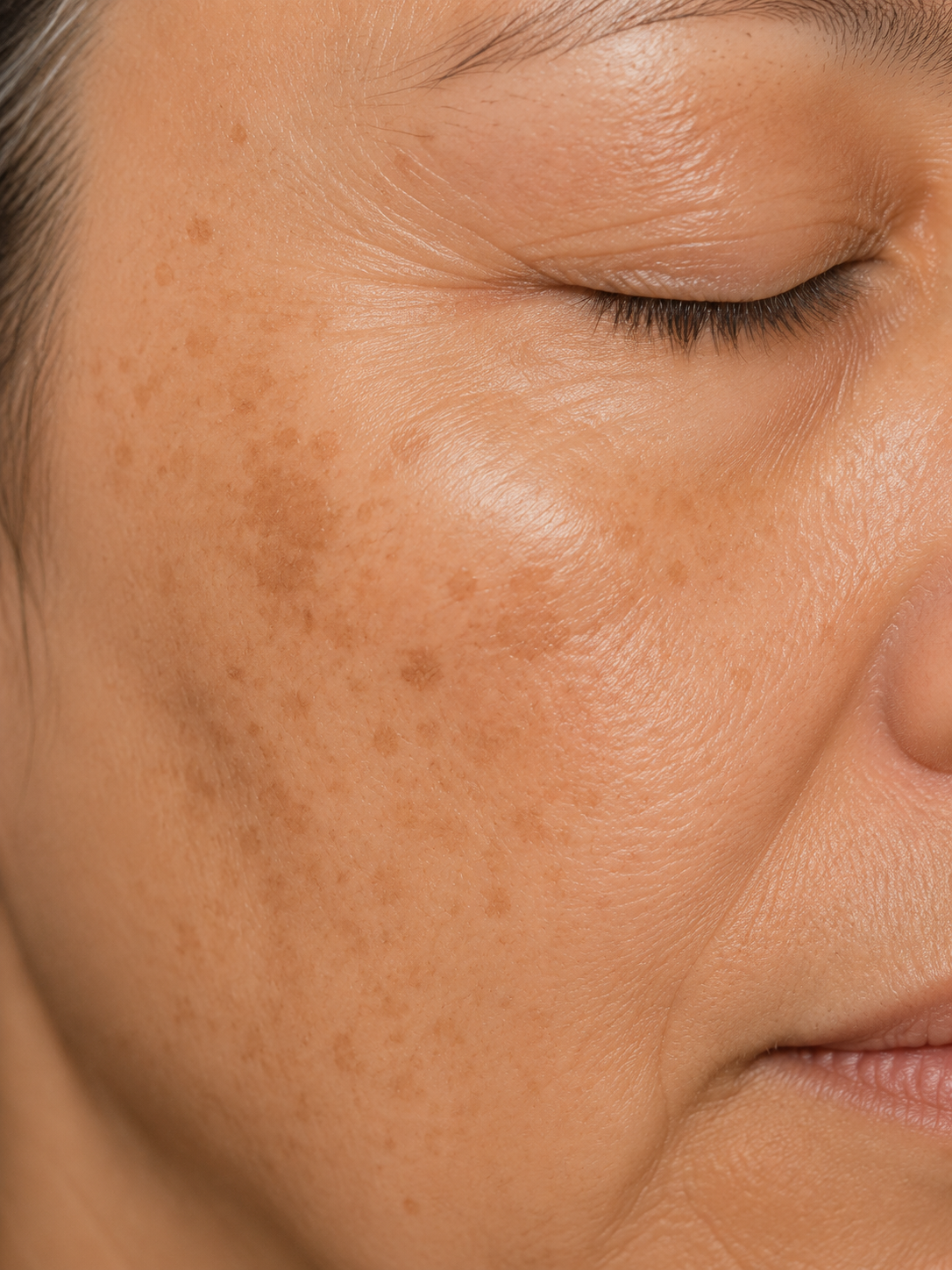
Dark spots caused by long-term sun exposure
Uneven skin tone and patchy pigmentation
Age-related pigmentation on the face and hands
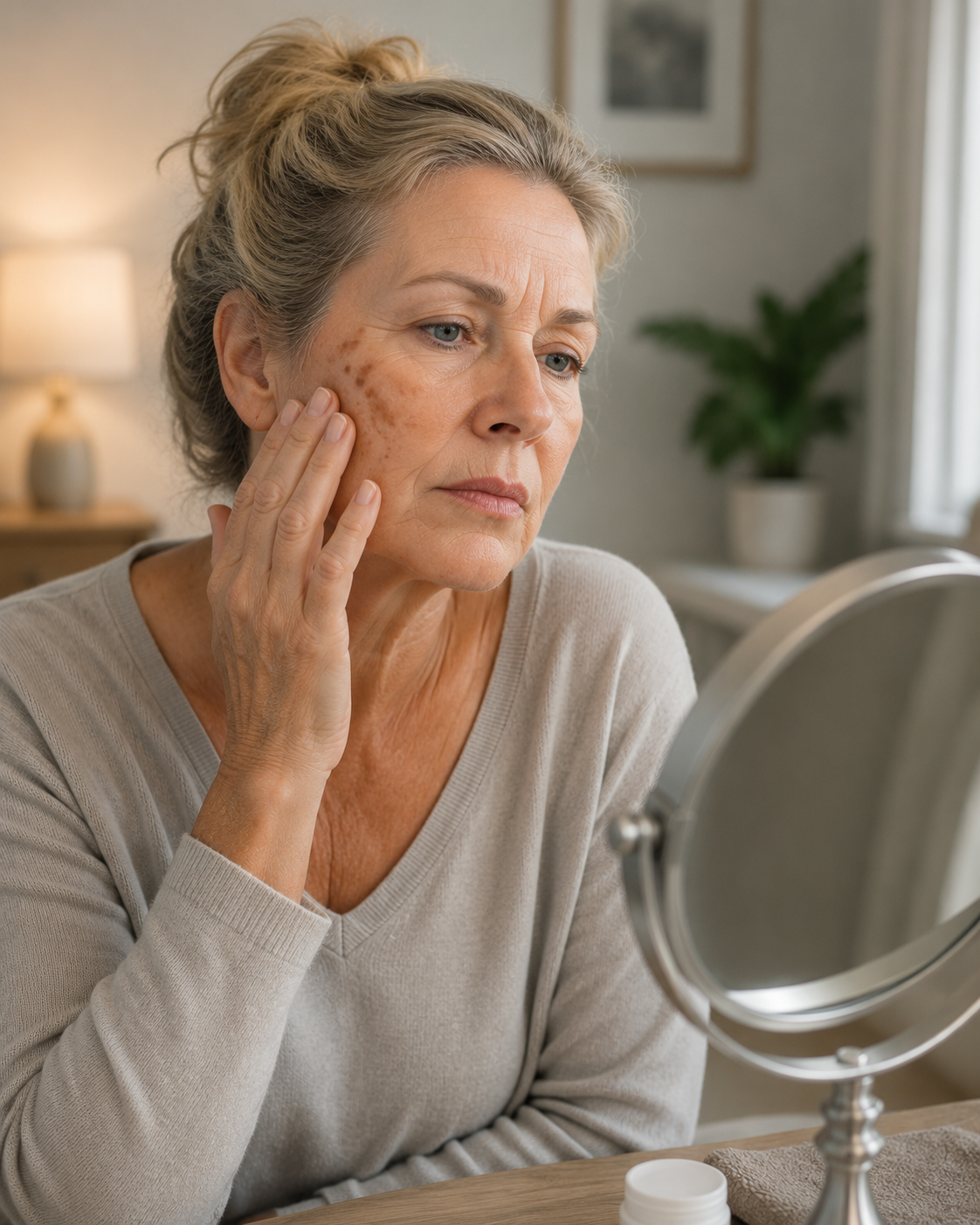
Face
Hands
Décolletage
Shoulders and arms
Sunspot treatments are targeted, aiming to break down excess pigmentation while preserving surrounding skin.
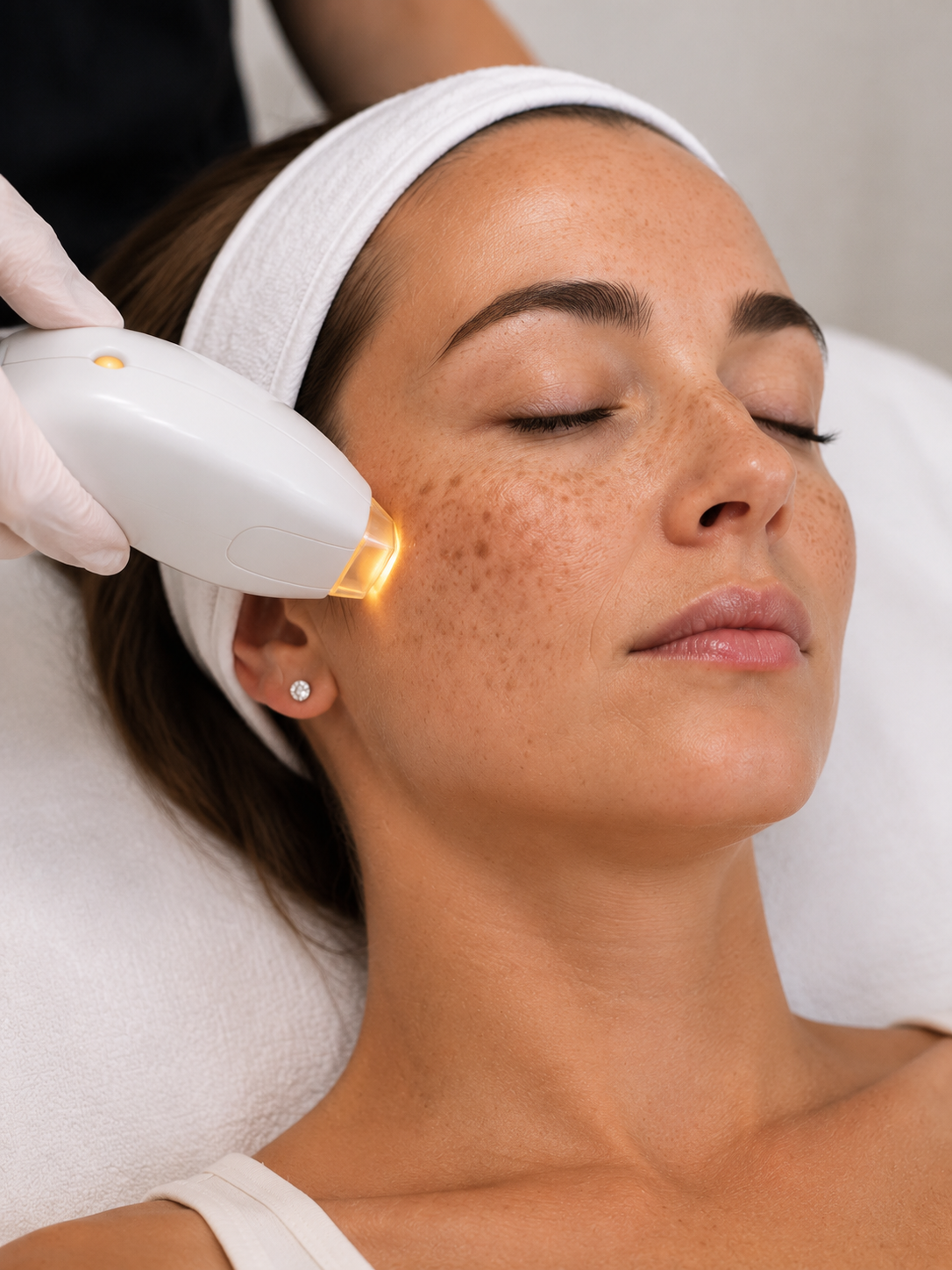
The most appropriate treatment depends on the depth and number of lesions, with laser therapy often providing the most precise results.
Step 1: Assessment
Dr. Kravvas will assess your pigmentation to confirm the diagnosis and determine the most suitable treatment approach.
Step 2: Treatment
Laser or chemical peel treatments are used to target the pigmented areas. Sessions are typically quick and well tolerated.
Step 3: Aftercare & Results
Treated spots may darken temporarily before flaking off or fading. Mild redness or sensitivity may occur for a few days.
Visible improvement is often seen after one session, though multiple treatments may be recommended.

Dr. George Kravvas is a consultant dermatologist and published academic with a special interest in acne, rosacea, and acne scarring. His clinical approach combines medical expertise with cutting-edge technology to achieve consistently high standards of care.
Whether your acne is mild, moderate, or severe — Dr. Kravvas will provide clarity, confidence, and a plan tailored to you.
They can be effectively removed or significantly reduced, but new sunspots may develop with continued UV exposure. Ongoing sun protection is essential.
Some sunspots respond after a single session, while others may require a short course of treatments depending on their depth and number.
Most patients experience mild discomfort, often described as a quick snapping or warming sensation during treatment.
Treated spots usually do not return, but new ones can form over time with sun exposure.
Treatment can be adapted for different skin types, but careful selection is important to minimise the risk of pigmentation changes.